Blog & Updates From Texturly

Texturly blog for the latest news, tips, tricks, and how-to articles on advanced AI texture generation platform.

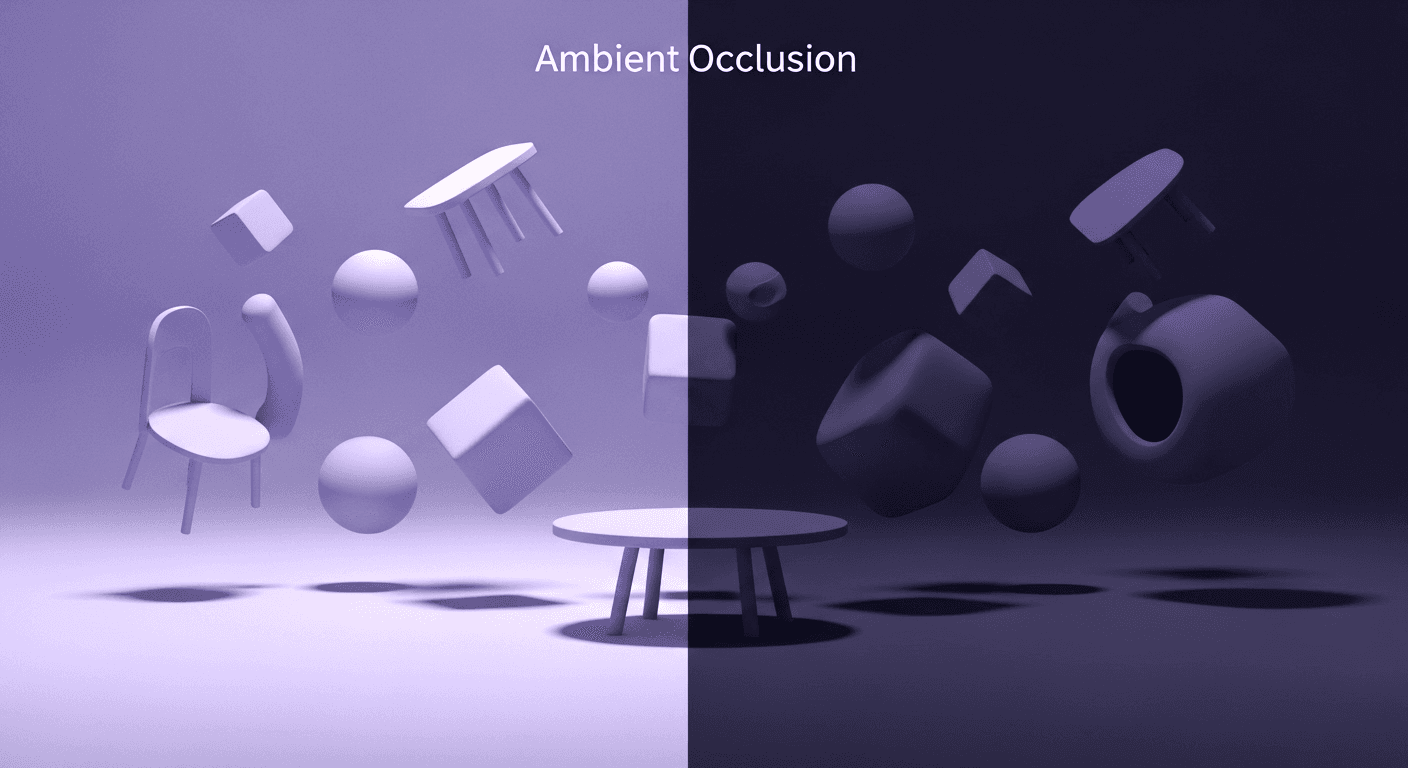
Split-screen 3D rendering comparing Ambient Occlusion. The left side is light purple, showing subtle shadows underneath floating objects, while the right side is dark purple and lacks the distinct contact shadows, illustrating the role of AO maps in 3D realism.
A split-screen visualization comparing a 3D scene with the Ambient Occlusion effect (left) and without (right, resulting in flat lighting), demonstrating how AO maps add realism and depth.

Turn AO Maps Into Your Secret Weapon for Believable 3D Scenes

PBR textures3D textures

Ever wonder why your 3D models seem disconnected, like stickers? This guide dives deep into ambient occlusion maps, revealing how to ground assets realistically. Explore practical tips and advanced techniques to transform your scenes with precision.

Max Calder

Max Calder

Oct 13, 2025 · 13 mins read
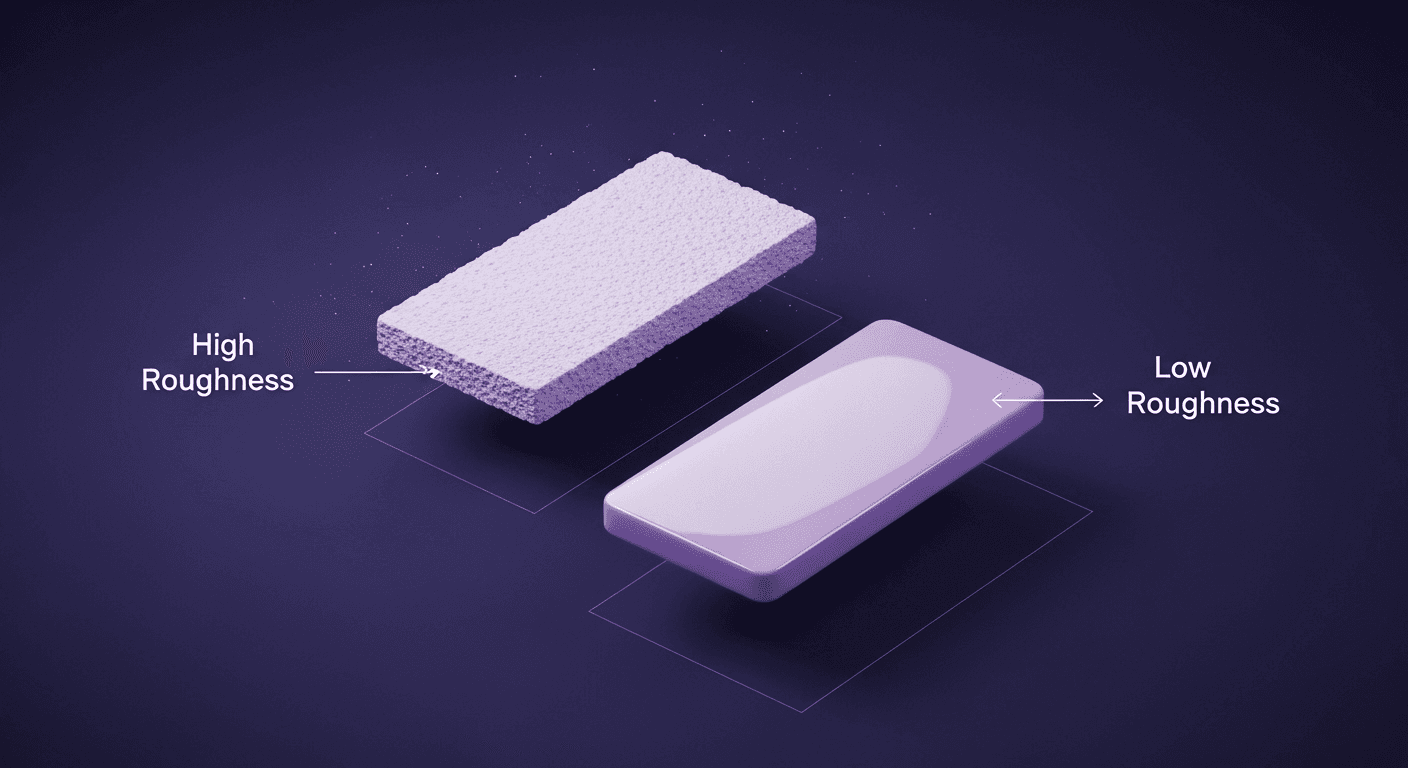
A side-by-side comparison of two rectangular 3D objects to illustrate the PBR roughness map concept. The top object is labeled High Roughness and appears matte and granular. The bottom object is labeled Low Roughness and appears highly polished and reflective, demonstrating how roughness maps control light scattering and realism.
A visual comparison demonstrating the effect of a PBR Roughness Map, contrasting a highly rough, matte surface with a low roughness, glossy, and reflective surface.

Mastering Realism: A Deep Dive into PBR Roughness Maps

PBR textures3D textures

Struggling with materials that look too plastic? Dive into the physics of roughness maps and discover how they transform light, enhance textures, and tell a story. This guide empowers you to create truly believable materials, adding depth and realism to your scene.

Max Calder

Max Calder

Oct 6, 2025 · 11 mins read

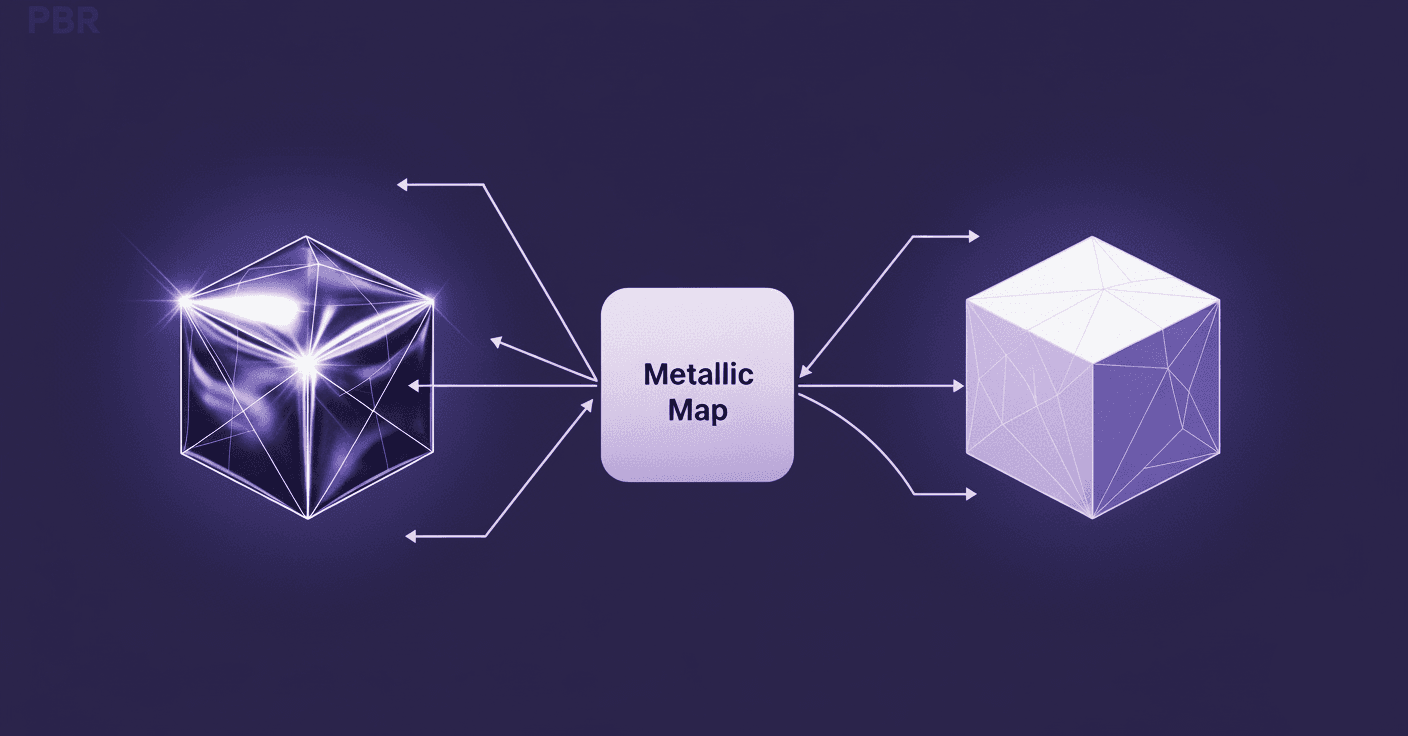
A diagram showing a central block labeled Metallic Map. Arrows point outward to a shiny, reflective metallic cube on the left and a matte, white non-metallic cube on the right. This illustrates the Metallic Map's role as a switch that determines whether a material is metallic or non-metallic in a PBR workflow.
A diagram illustrating the function of the PBR Metallic Map as a binary switch, directing light to create either a highly reflective metallic surface or a non-metallic (dielectric) surface.

Stop Painting Your Metallic Maps, Start Switching Them

PBR textures3D textures

Uncover the truth about metallic maps in PBR workflows. This guide breaks down how to stop the struggle with painting and start using metallic maps as a powerful switch, revealing a production-ready approach for achieving realistic and flexible results.

Max Calder

Max Calder

Oct 1, 2025 · 14 mins read

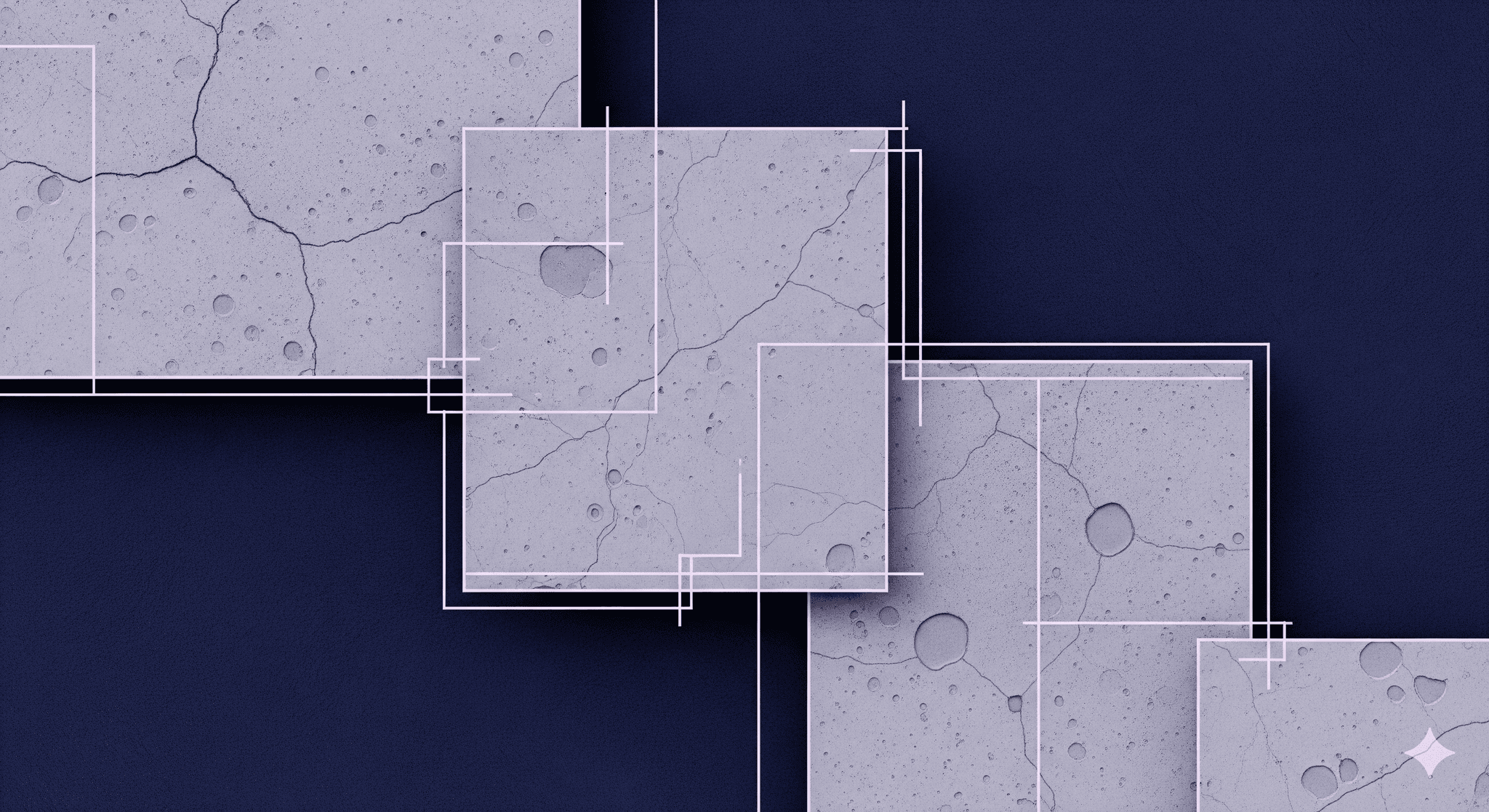
A series of light gray squares, each with the same repeating texture of cracked concrete, are layered over a dark blue background. Pink wireframe lines are overlaid on the squares to emphasize the precise, repetitive pattern, visually representing a common texture mistake in rendering.
An illustration highlighting the visual issue of repeating concrete textures in a render, a common mistake that breaks realism and reduces the quality of a design.

Why Repeating Concrete Textures Kill Million-Dollar Renders

PBR textures3D textures

Explore the pitfalls of repeated concrete textures in architectural renders and discover a comprehensive guide to creating seamless textures across multiple applications. Elevate your design narrative with authentic and immersive visualizations that wow clients.

Mira Kapoor

Mira Kapoor

Sep 26, 2025 · 14 mins read

An illustration of a VR headset from a side view. From the headset's lenses, a stream of virtual objects, including textured spheres, abstract patterns, wavy grids, and various 3D shapes, flow outwards and fill the space. The objects are connected by flowing lines, conveying the concept of a virtual world being created and rendered from the headset.
This visual demonstrates the immersive nature of VR, with a headset projecting an array of realistic textures, models, and virtual objects to create a lifelike and believable world.

The Physics of Believability: Advanced VR Texture Creation for Lifelike Worlds

PBR textures3D textures

Ever wonder why VR worlds often feel flat? Dive into specialized VR texture techniques to craft immersive worlds where every surface tells a story. From Blender to Unity, discover a complete workflow for creating hyper-realistic, responsive textures.

Max Calder

Max Calder

Sep 23, 2025 · 13 mins read
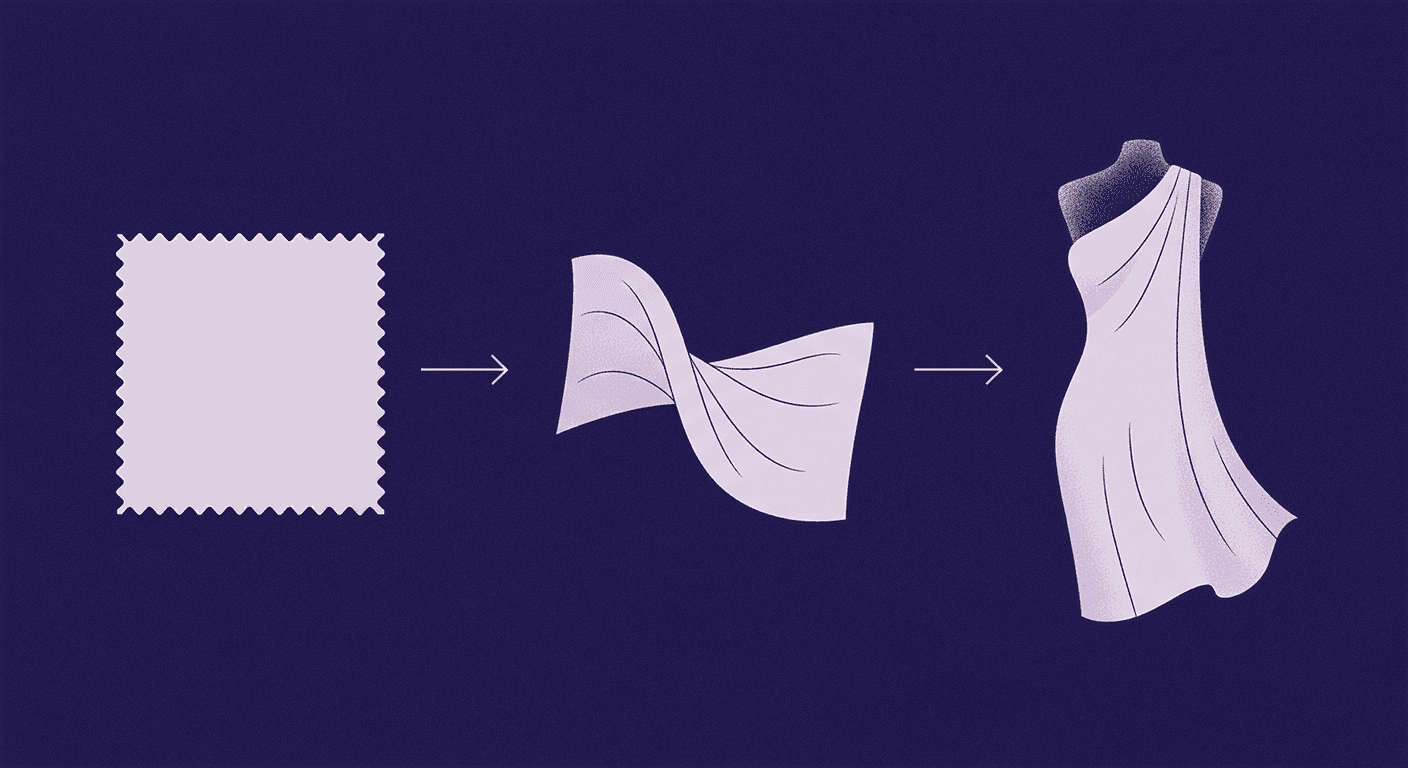
An illustration with three panels. The first panel shows a flat, rectangular fabric swatch. An arrow points to the middle panel, which shows the fabric twisted and folded in mid-air. A second arrow points to the final panel, where the fabric is draped on a mannequin to form a dress. This visualizes the process of digital draping for 3D fashion design.
This is an illustration demonstrating the workflow of digital textile draping. It shows how flat materials are transformed into realistic 3D objects like draped cloth and a dress.

A Guide to Mastering Digital Textile Draping And Texture Mapping

PBR textures3D textures

Making digital silk look and feel alive is a challenge. In this guide, we explore how mastering physics and texture mapping can breathe life into your renders, transforming 'almost perfect' into breathtaking reality.

Max Calder

Max Calder

Sep 15, 2025 · 11 mins read
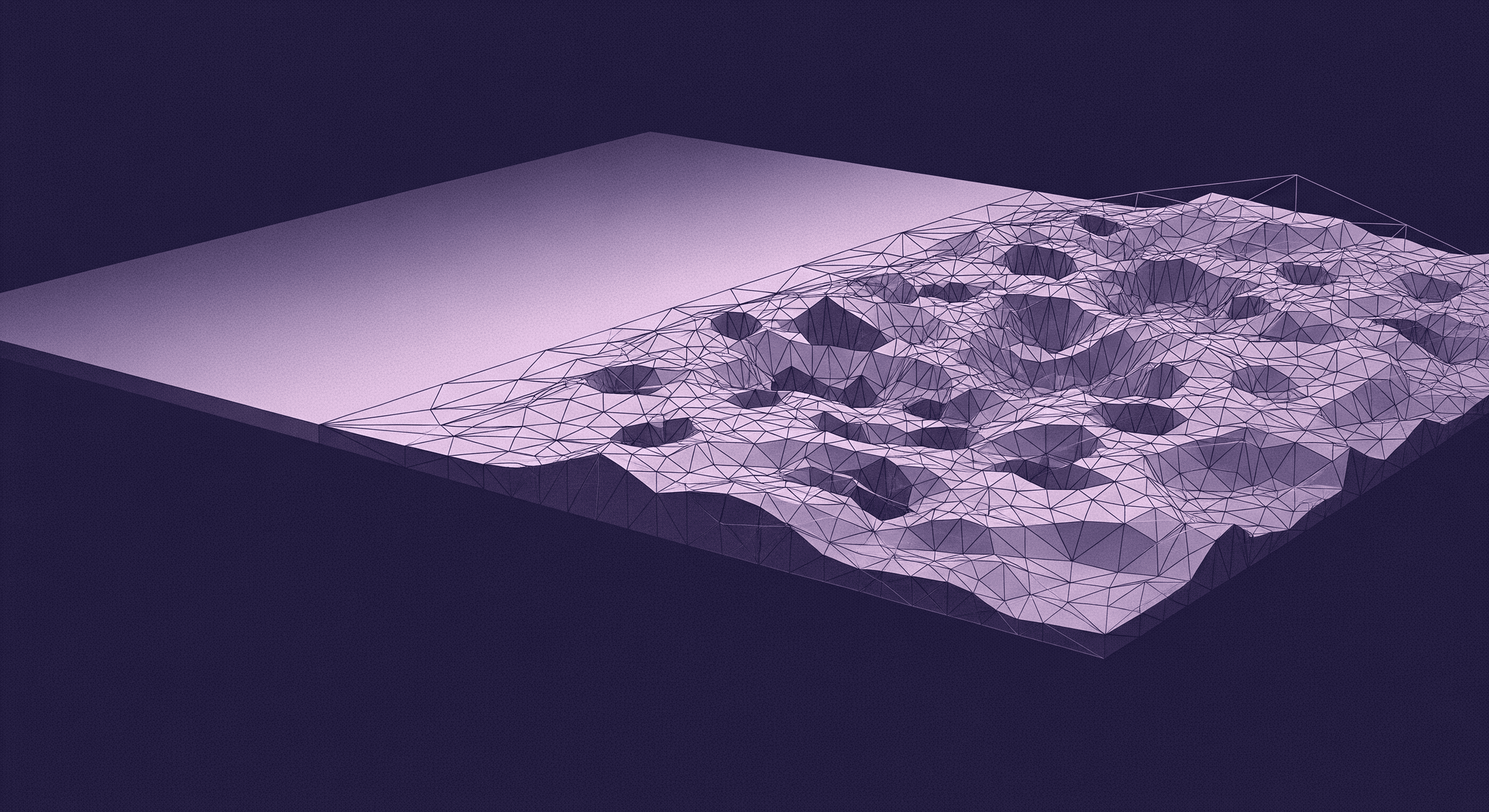
A side-by-side comparison of a 3D plane. The left half is a flat, smooth surface. The right half shows the same surface with a highly detailed, undulating texture, and a visible wireframe grid that confirms the geometry has been physically displaced. This image demonstrates the power of displacement mapping to add real detail beyond what bump maps can achieve.
An illustration demonstrating how displacement mapping adds real geometric detail to a flat surface, creating a far more realistic result than traditional bump maps.

Beyond Bump Maps: A Definitive Guide to Displacement Mapping

PBR textures3D textures

Ever wondered why some animations feel flat while others pop with realism? This guide dissects displacement maps vs. normal maps, showing how actual vertex movement crafts those immersive scenes. Unlock the secrets to enhanced 3D rendering and geometry.

Max Calder

Max Calder

Sep 11, 2025 · 14 mins read
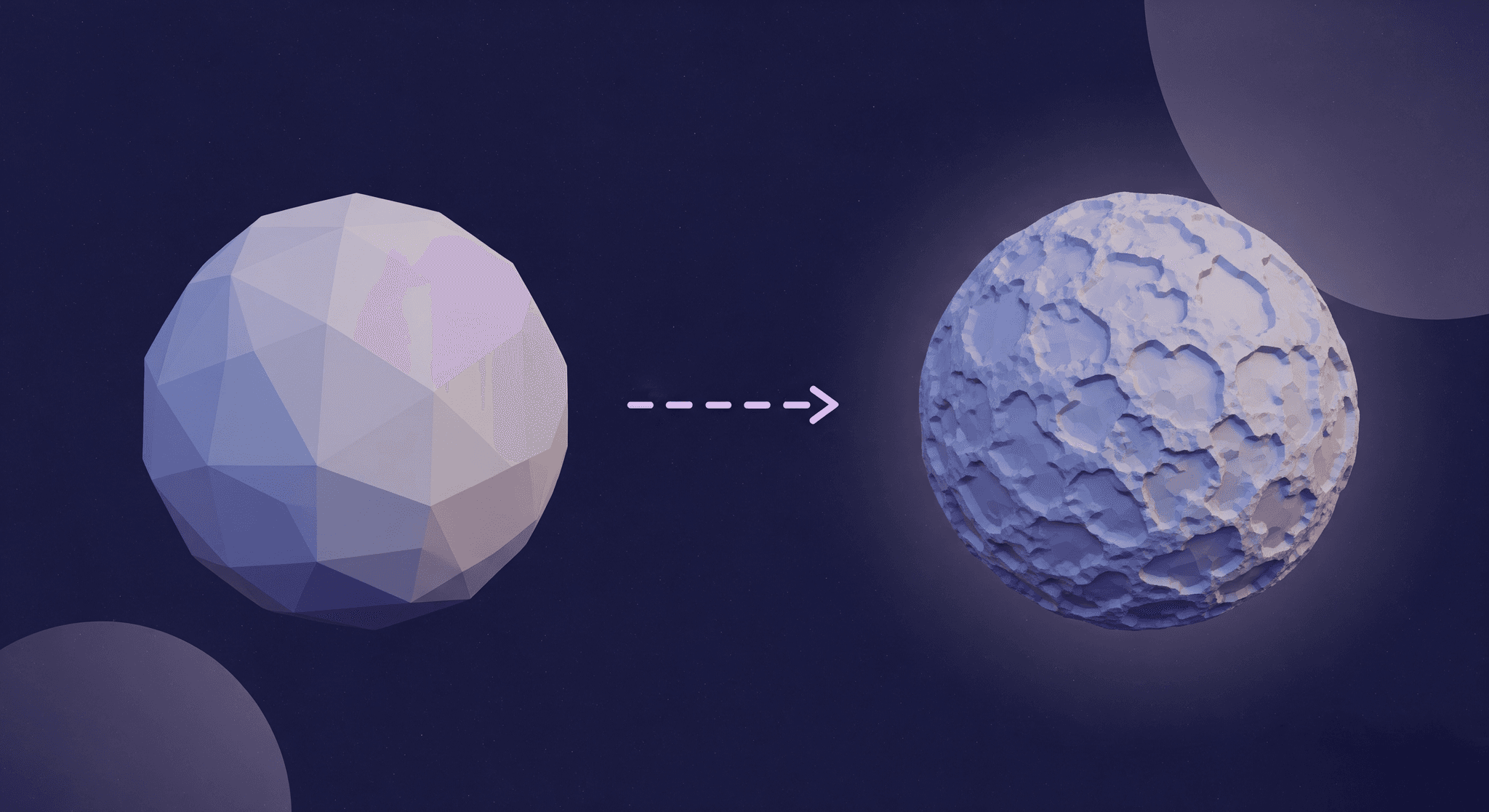
A side-by-side diagram demonstrating the effect of a normal map. On the left is a smooth, low-polygon sphere. An arrow points to the right, where the same sphere appears bumpy and highly detailed, illustrating how a normal map adds surface detail to an object without needing more polygons.
An illustration showing how a normal map transforms a simple, low-polygon sphere into a high-detail surface, achieving a realistic look without increasing the polygon count.

More Detail, Fewer Polygons: The Technical Guide to Normal Maps

PBR textures3D textures

Unlock the secrets of high-detail surfaces without the performance hit in this comprehensive guide to normal maps. Dive into the math and rendering science that empowers artists to blend visual richness with real-time efficiency effortlessly.

Max Calder

Max Calder

Sep 5, 2025 · 13 mins read

Texturly company logo - a stylized letter T

Accelerate you workflow

with automated PBR texture generation

Enjoy creative freedom with AI powered texture creation