Blog & Updates From Texturly

Texturly blog for the latest news, tips, tricks, and how-to articles on advanced AI texture generation platform.

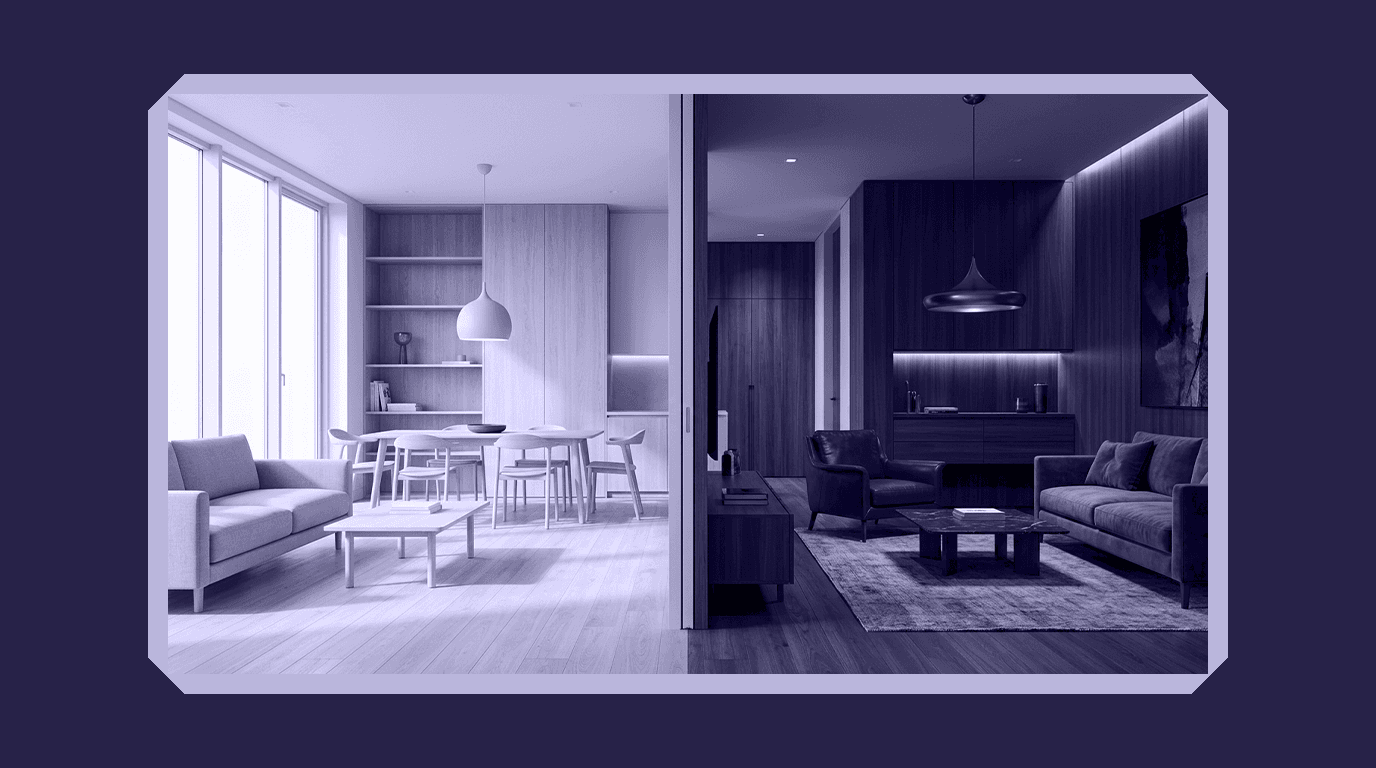
A side-by-side interior design comparison showing a bright dining room with light oak wood veneers versus a moody living room featuring dark walnut wood textures.
Image illustrating how light wood veneers often make small spaces feel airy and Scandinavian, while dark wood textures provide a sophisticated, grounding luxury to larger rooms.

Light vs Dark Wood Veneer: A Complete Guide to Texture, Aesthetics, and Applications

Product rendering3D textures

Light wood veneers create openness and softness, while dark veneers add depth and contrast. This guide helps you understand how each behaves so you can use them strategically to shape space, mood, and visual hierarchy.

Mira Kapoor

Mira Kapoor

Apr 20, 2026 · 10 mins read
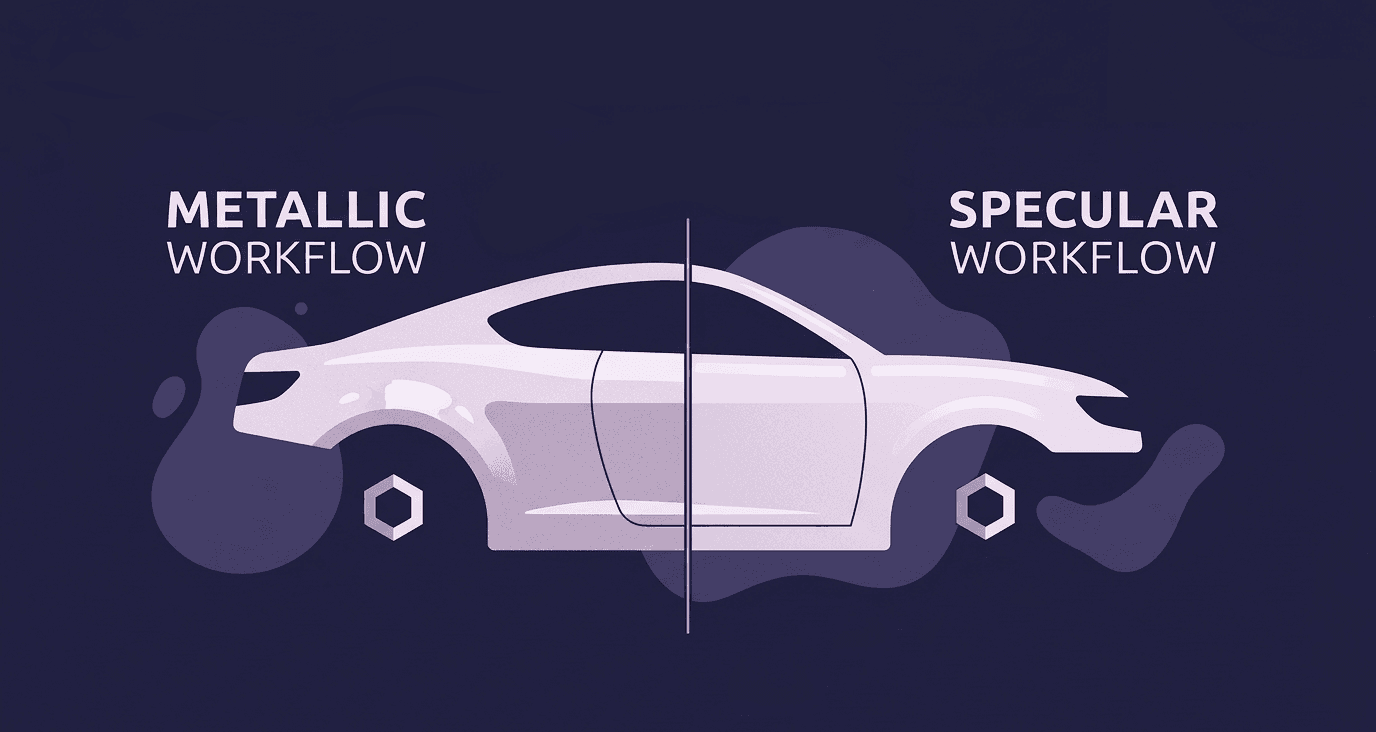
A side-by-side comparison diagram of a 3D car model illustrating the differences between Metallic and Specular PBR rendering workflows.
Choosing your path: While the Metallic workflow is often more memory-efficient, the Specular workflow offers more granular control over over-reflections and F0 values.

Metallic vs Specular Workflow: Choosing the Right PBR Textures for Realistic Renders

Product renderingPBR textures

This guide explores how to find high-quality free metal PBR textures and explains the key differences between metallic and specular workflows. It helps designers choose the right approach for realistic and efficient rendering.

Max Calder

Max Calder

Apr 17, 2026 · 14 mins read

A diagram illustrating a digital texture generator interface applying seamless patterns and PBR texture maps directly onto a 3D camera model.
Streamlining the studio: AI texture generators allow designers to iterate on product finishes, like the grip of a camera, instantly, without manual painting.

Innovating with Texture in Product Design: A Complete Studio Workflow Guide

Product renderingTexture creation

Explores how modern product design studios use texture as a strategic tool to improve usability, reduce prototype cycles, and enhance team alignment. It highlights digital workflows, AI-driven tools, and scalable methods for consistent material design.

Mira Kapoor

Mira Kapoor

Apr 15, 2026 · 13 mins read
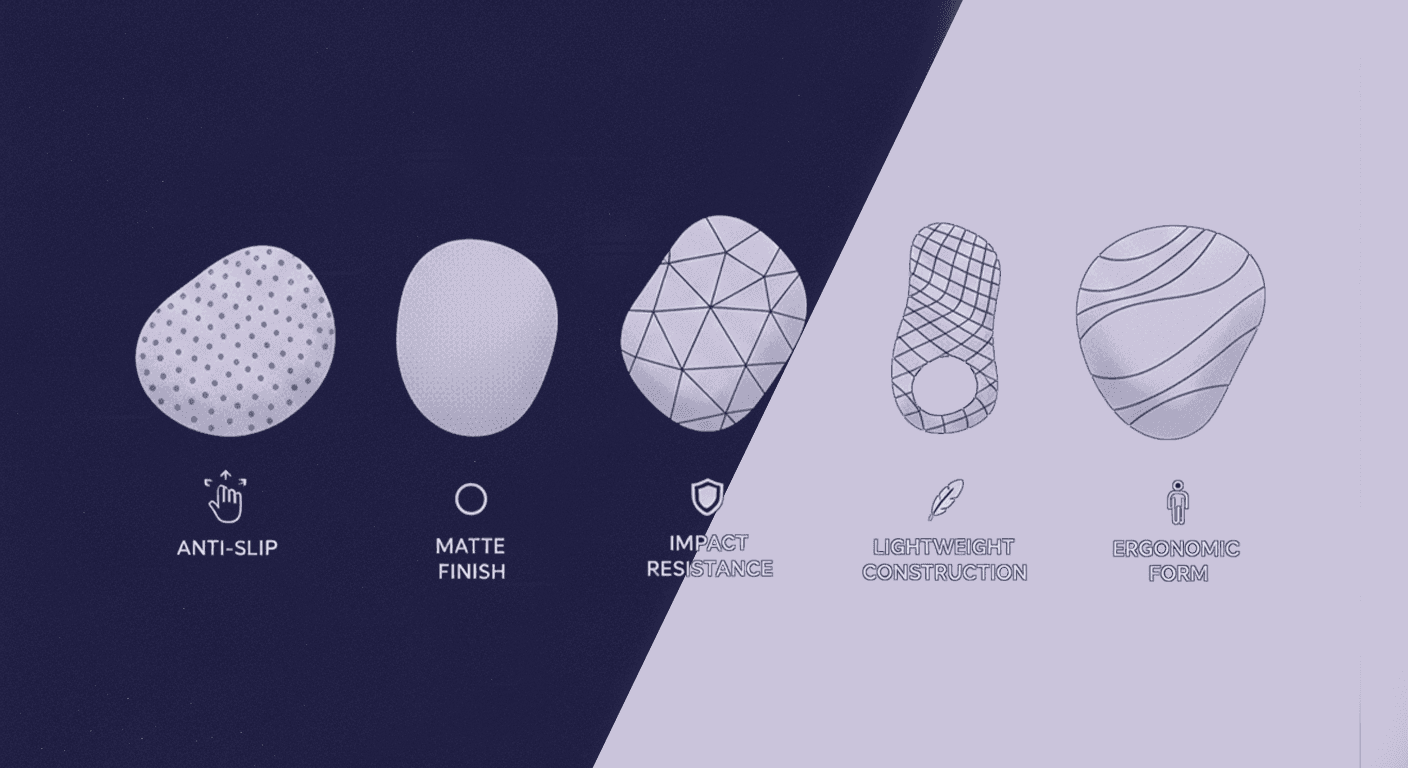
An abstract visual represents five plastic texture studies: Anti-slip dots, Matte finish, Impact-resistant triangles, Lightweight construction mesh, and Ergonomic form waves.
Functional design in plastics goes beyond aesthetics; these five case studies demonstrate how surface textures, from anti-slip patterns to ergonomic waves, solve specific engineering challenges.

What 5 Textured Plastic Case Studies Reveal About Functional Design

Product renderingTexture creation

Explore how textured plastic products transform industries by moving beyond surface aesthetics to strategic solutions. Through compelling case studies, this guide demonstrates how thoughtful surface engineering can enhance durability, solve complex challenges, and redefine user experience across diverse fields. Dive into the impactful stories of innovation and learn how to implement these insights.

Mira Kapoor

Mira Kapoor

Feb 16, 2026 · 14 mins read
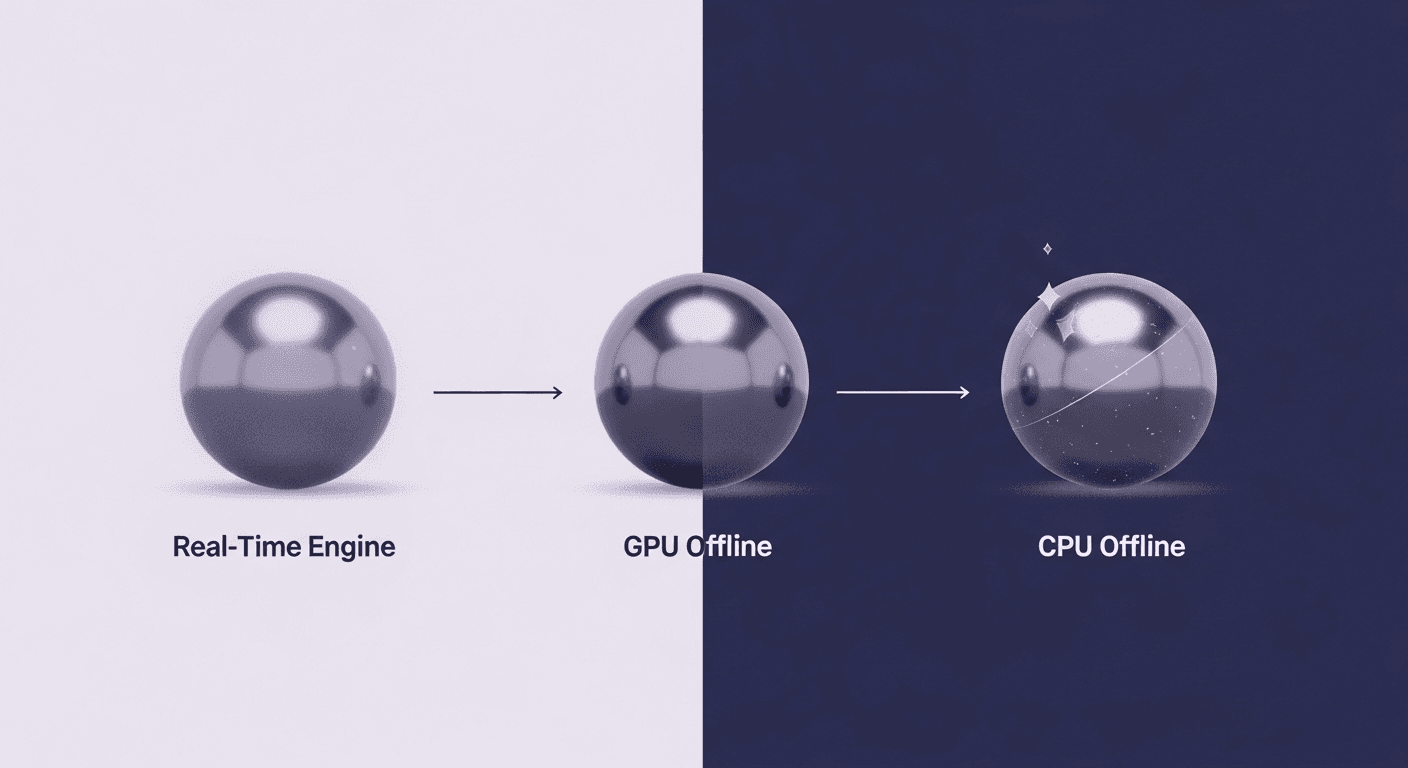
A visual comparison showing a metal sphere rendered in three stages: Real-Time Engine (basic reflections), GPU Offline (improved realism and shadows), and CPU Offline (highest quality photorealistic metal with complex reflections and detailed scattering), illustrating the trade-off between speed and fidelity in rendering engine performance.
This abstract image represents how different rendering engines interpret metal textures, highlighting the complexities of visual realism in reflections.

Photorealistic Metal, Demystified: A Deep Dive into Rendering Engine Performance

PBR texturesProduct rendering

Unravel the secrets behind rendering metal textures flawlessly with insights into how six major engines tackle the physics of metal surfaces. Discover the nuances that can transform your renders into lifelike masterpieces in this comprehensive guide.

Max Calder

Max Calder

Dec 26, 2025 · 19 mins read

A conceptual illustration showcasing a variety of material finishes and plastic textures, including rough wood grain, speckled stone, metal, and a fine grid pattern.
A visual guide illustrating the variety of surface finishes and plastic textures that go beyond the spec sheet. Understanding these different tactile and visual qualities is essential for product design and accurate material representation.

Beyond the Spec Sheet: A Tactile Guide to Plastic Texture Comparison

Product renderingTexture creation

Ever picked up a product that looks great but feels cheap? This guide dives deep into the tactile world of plastic textures, revealing how the right choice can transform perceived quality and usability by going beyond the spec sheet. Ready to explore the nuances?

Max Calder

Max Calder

Dec 15, 2025 · 15 mins read

Three rounded rectangular devices made of plastic are displayed side-by-side. The left object features a woven plastic texture, suggesting a soft or grippy surface; the center object has a smooth, high-gloss plastic finish; and the right object has a dark, rugged, distressed plastic texture. This comparison demonstrates how surface texture tells a product's story.
Beyond color and gloss, the chosen plastic surface—from a fine weave pattern to a high-gloss finish or a rugged matte—defines a product's intended function and brand narrative.

Beyond Color and Gloss: How Plastic Texture Tells Your Product's Story

Product renderingTexture creation

Dive into the overlooked role of microscopic surface textures in product design, beyond color and gloss. This guide uncovers how these textures influence user experience, product performance, and design across industries, transforming visualizations into compelling product stories.

Max Calder

Max Calder

Nov 19, 2025 · 12 mins read

An abstract illustration showing an arrow labeled Plastic texture pointing toward two magnified, overlapping circles. One circle has a swirling, rippled texture, and the other has a precise grid pattern. This symbolizes the need for clear communication and precision in defining plastic surface finishes during the manufacturing pipeline.
The precise language of plastic texture is critical in the manufacturing process, ensuring accurate communication between design and production teams to prevent costly mistakes.

Decode Plastic Material Texture: The Team Language That Prevents Costly Manufacturing Mistakes

Product renderingTexture creation

Struggle with miscommunications over plastic material texture? Dive into our guide to uncover the true language of texture, bridging design intent and manufacturing precision. Avoid costly errors by harmonizing your team's vision, ensuring the final product feels just right.

Mira Kapoor

Mira Kapoor

Nov 17, 2025 · 14 mins read

Texturly company logo - a stylized letter T

Accelerate you workflow

with automated PBR texture generation

Enjoy creative freedom with AI powered texture creation