How Fabric Texture Shapes Design Strategy in Fashion and Interiors
By Mira Kapoor | 10 December 2025 | 13 mins read
Table of contents
Table of Contents
That stack of fabric swatches on your desk is a bottleneck. It’s a slow, wasteful process that still doesn’t tell you how a texture will truly perform until you’re weeks and thousands of dollars into a physical prototype. This guide reframes texture not as a simple design choice, but as a powerful strategic tool. We'll unpack the psychology of touch to show you how to create more sustainable, resonant products and make a rock-solid case for them using modern digital workflows. Because when you master the why behind a texture’s appeal, you stop guessing and start building products that connect on a deeper level, bridging the gap between creative vision and the bottom line.
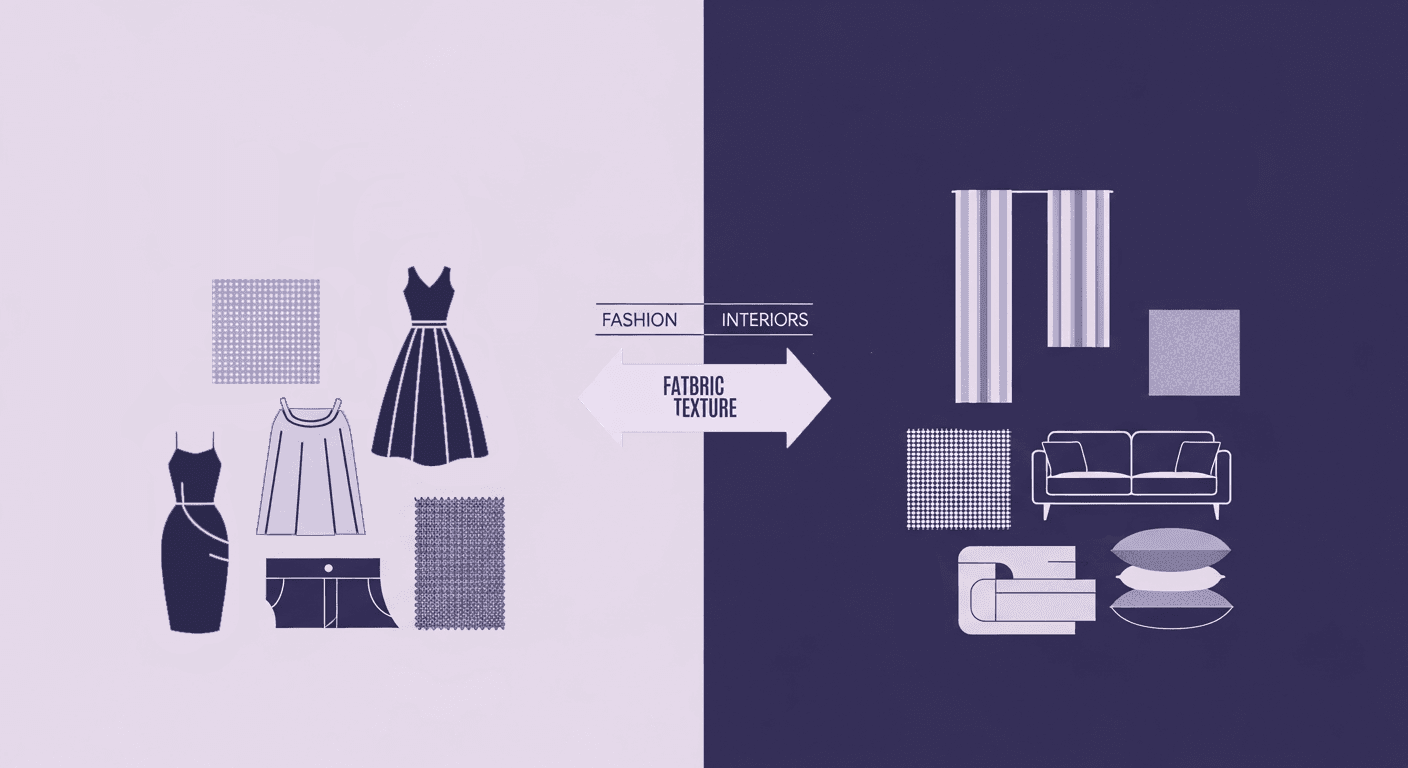
More than a feeling: What is fabric texture in design?
Most designers think about texture in terms of touch. Is it soft? Is it rough? But that’s only half the story. The most effective textures work on two levels: how they feel to the touch and how they look to the eye. Getting this right is the difference between a design that’s just okay and one that feels complete.
Unpacking the difference: Visual vs. tactile design elements
Tactile texture is the literal, physical surface quality of a fabric. It’s what you feel when you run your hand over it, the smoothness of silk, the nubby bumps of bouclé, or the coarse grain of raw linen. It’s a direct, physical experience that connects us to an object, whether it’s a favorite cashmere sweater or a worn leather armchair.
Visual texture, on the other hand, is the perceived texture. It’s an illusion created by light, shadow, and pattern. A photograph of a brick wall has visual texture, but the surface of the photo is smooth. In fabric, this is often achieved through prints and weaves. A houndstooth pattern, for instance, creates a busy visual texture from a distance, even if the fabric itself is a smooth wool. Similarly, a high-sheen satin creates visual texture through the dramatic way it reflects light, with sharp highlights and deep shadows that give it depth and movement.
The magic happens when these two work together or in deliberate contrast. A garment might feature a visually complex print on a smooth, tactilely simple cotton, creating a look that’s interesting but not overwhelming. Conversely, an interior might use a monochromatic color scheme, relying entirely on the interplay of different tactile textures like a fluffy rug, a smooth leather sofa, and rough-hewn wooden tables, to create a rich, layered environment. Understanding this distinction is the first step to using texture with intention.
Building a textural vocabulary: From smooth silks to rustic linens
To control texture, you need a shared language. While the possibilities are endless, most fabric textures fall into a few key categories. Building a mental library of these helps you make faster, more confident decisions.
- Smooth and sleek: Think silks, satins, and high-performance synthetics. These fabrics reflect light and often have a fluid drape. In fashion, they read as luxurious and elegant, perfect for evening wear or a sharp blouse. In interiors, they add a touch of glamour as curtains, throw pillows, or upholstery on a statement piece. Their sleekness provides a clean, modern feel.
- Soft and plush: This category includes velvet, cashmere, chenille, and faux fur. These materials absorb light, giving them a deep, rich color and a cozy feel. They invite touch and are synonymous with comfort and warmth. A velvet dress feels opulent and soft against the skin, while a plush wool throw in a living room instantly makes the space more inviting.
- Coarse and rustic: Here you’ll find linens, burlap, tweed, and raw cotton. These are matte, organic-feeling textiles with a visible weave and a dry hand-feel. They communicate authenticity, stability, and a connection to nature. A structured linen blazer is a staple for its relaxed yet sharp look, and linen upholstery brings a sense of breezy, effortless style to an interior.
- Structured and sturdy: This group covers denim, canvas, corduroy, and heavy wools. These fabrics have weight and hold their shape, creating strong silhouettes. They’re workhorses, known for their durability and utilitarian roots. A well-made pair of jeans or a sturdy canvas tote bag signals reliability. In a room, a durable canvas armchair can anchor a space and stand up to daily life.
Mastering these categories allows you to move beyond simply choosing a fabric and start building a narrative. The next step is understanding the why behind our reactions to them.
The psychology of touch: How texture shapes perception and emotion
We don’t just feel a texture with our hands; we feel it with our emotions. The choice between a cool leather jacket and a soft knit cardigan isn't just about warmth. It's about the mood you want to project and the feeling you want to inhabit. This psychological layer is where designers can create truly powerful work.
How fabric texture affects the room atmosphere and personal mood
The science of touch, or haptics, confirms what we intuitively know: different textures trigger different psychological responses. Our skin is a massive sensory organ, and the signals it sends to our brain can directly influence our state of mind.
- Comfort and security: Soft, warm, and plush textures like fleece, cashmere, and velvet mimic the feeling of a comforting hug. They tap into primal needs for safety and warmth, reducing stress and promoting relaxation. This is why we gravitate toward chunky knit blankets and soft sweaters on a cold day. In an interior, using these textures in a bedroom or a cozy reading nook can create a sanctuary-like atmosphere.
- Luxury and sophistication: Smooth, fine textures like silk, satin, and high-thread-count cotton are associated with luxury. Their lack of friction feels special against the skin, signaling quality and refinement. A silk tie or a set of sateen sheets feels indulgent. Their visual sleekness also contributes to a feeling of clean, modern elegance.
- Energy and nature: Rough, natural textures like jute, linen, and raw wool ground us. They connect us to the natural world and often feel honest and authentic. These textures can be invigorating; the slight roughness is stimulating without being uncomfortable. A jute rug adds a rustic, earthy energy to a room, while a crisp linen shirt feels fresh and ready for the day.
Consider this case study: a minimalist living room with polished concrete floors, a sleek leather sofa, and metal-framed windows. The atmosphere is cool, sophisticated, and perhaps a bit impersonal. Now, add a few textural layers: a deep-pile wool rug, a few nubby bouclé cushions on the sofa, and a soft, loosely-woven throw blanket. The room's architecture hasn't changed, but its feeling is transformed. It's now warm, inviting, and human, a space you want to settle into.
The emotional signature of textiles: Crafting a narrative with fabric
Every fabric choice tells a story. A designer isn't just selecting a material; they are embedding an emotional signature into their work. This is about using texture to guide a person’s feelings and memories.
Think about the fabric of a wedding dress, often silk, lace, or tulle. These materials communicate romance, delicacy, and celebration. Now, think about the heavy, distressed leather of a vintage biker jacket. It speaks of rebellion, resilience, and a life lived on the road. The textures are as much a part of the story as the garments themselves.
This also taps into what we might call fabric memory. The feel of a specific fabric can evoke powerful emotional responses tied to our past. The scratchy wool of a school uniform, the soft flannel of a parent’s shirt, the worn denim of a favorite pair of jeans, these are all potent sensory triggers. As a designer, you can leverage these shared associations to build an instant connection with your audience, making a new product feel familiar and meaningful from the very first touch.
Textile design principles in action
Understanding the theory is one thing; applying it is another. Whether you’re designing a garment or a room, the principles of using texture are universal. It’s about creating balance, guiding the eye, and ensuring that form meets function.
In Fashion: The importance of texture in clothing and storytelling
In fashion, texture is a primary tool for shaping a garment's identity. It dictates not just how the piece feels, but how it moves, hangs, and interacts with the body. A heavy, structured tweed will create a sharp, architectural silhouette, holding its shape away from the body. The exact same pattern cut in a fluid silk charmeuse will result in a completely different garment, one that drapes, clings, and flows with every movement.
Designers also use texture to create focal points and visual hierarchy. A simple black dress can be elevated with a panel of intricate sequins or a feather-trimmed cuff. This contrast draws the eye and adds a point of interest, preventing the design from feeling flat. The secret is to think about texture as you would color or shape. A single pop of a contrasting texture, like a leather collar on a wool coat, can define the entire piece. Layering different textures within a single outfit, like pairing a chunky knit sweater with sleek leather pants and a soft silk camisole, creates a look that is rich, complex, and intentionally styled.
In Interiors: Expert texture selection techniques for any space
In interior design, texture is the key to making a space feel curated and complete. Without it, even the most well-designed room can feel cold and one-dimensional. The most powerful technique here is design texture layering.
Mastering this means combining a variety of textures to create depth and warmth. Start with a foundational texture, like a smooth linen-blend sofa. Then, layer on top of it. Add a set of plush velvet cushions for a touch of luxury, a coarse-knit wool throw for coziness, and place it all on a flat-weave jute rug for an earthy base. The interplay between smooth, soft, coarse, and flat creates a dynamic and inviting environment. The rule of thumb is to use at least three to five different textures in a room to give it a professionally designed feel.
Of course, choosing the right fabric texture for aesthetic appeal and function is critical. A high-traffic family room needs durable, easy-to-clean textures like a tight-weave synthetic or a treated canvas. A delicate silk pillow might look beautiful, but it won’t last long. Conversely, a bedroom is the perfect place for more luxurious and less durable materials like cashmere or high-pile rugs, as it's a low-traffic area focused on comfort. The goal is always to find the sweet spot where the fabric's aesthetic contribution is matched by its ability to perform its job.
The future of fabric: Texture's role in sustainable and digital design
For innovation leaders, the conversation around texture is shifting. It’s no longer just about aesthetics or emotion; it’s about performance, sustainability, and efficiency. The right textural choices can create longer-lasting products, and new digital workflows are making it easier than ever to get those choices right from the start.
Why tactile choices matter for sustainability and longevity
Sustainability in design isn't just about using recycled materials. It's about creating products people will love and keep for a long time. This is where texture plays a surprisingly crucial role. High-quality, natural-fiber textures often contribute to more timeless, durable products. A well-made linen shirt or a solid wool coat doesn't just last longer physically; its classic texture ensures it won't fall out of style.
When a product has a satisfying tactile quality, we form a stronger emotional bond with it. We’re less likely to discard a piece that feels good to touch and use. This focus on longevity is a cornerstone of eco-conscious design. By selecting textures that age gracefully, like leather that develops a patina or linen that softens with each wash. We can design products that get better over time, actively countering the throwaway culture of fast fashion and disposable decor.
Visualizing fabric's visual impact: Digital tools and the new design workflow
This is where it all comes together for the modern design team. For years, the biggest barrier to experimenting with new textures was the slow, wasteful process of physical sampling. You’d have to order swatches, wait for them to arrive, and still not know how the fabric would truly look and behave on a finished product. This process is a major bottleneck, costing time, money, and materials.
Today, 3D design software like Clo3D and Browzwear, along with material scanners and platforms like Substance 3D, are changing the game. These tools allow designers to create and visualize photorealistic digital twins of fabrics. You can accurately simulate a textile's drape, weight, and fabric visual impact under different lighting conditions before a single yard of fabric is ordered. Want to see how that bouclé will look on a curved sofa versus a tailored jacket? You can render it in minutes, not weeks.
This digital workflow is the key to proving ROI for new ideas. By presenting a hyper-realistic digital prototype to stakeholders, you can get buy-in and make critical decisions early in the process. You can test dozens of textural combinations without waste, de-risking innovation and shortening development cycles. For a team lead, this is a powerful argument: it's a workflow that not only unleashes creativity but also builds a clear business case for every design choice, making the adoption of new tools feel less like a mandate and more like a competitive advantage.
From swatch to strategy: Your new playbook
So, where does this leave you? Hopefully, not just with a better understanding of silk versus bouclé, but with a new way to frame the conversation around texture.
The real shift isn’t just knowing why a plush velvet feels luxurious, it’s about leveraging that knowledge in a workflow that’s faster, smarter, and more sustainable.
Think of it this way: digital tools transform texture from a subjective feeling into strategic data. A photorealistic 3D render isn’t just a pretty picture; it’s a waste-free prototype, a business case, and a tool for buy-in all in one.
This is how you get your team excited about new software, by showing them it’s a creative playground, not a technical hurdle. And it’s how you prove the ROI to your stakeholders, by connecting a design choice directly to a business outcome, whether that’s reduced sampling costs or a more sustainable, longer-lasting product.
Ultimately, texture stops being a simple line item and becomes the bridge between your creative vision and the bottom line. You’ve always had the eye. Now you have the argument to back it up.

Mira Kapoor
Mira leads marketing at Texturly, combining creative intuition with data-savvy strategy. With a background in design and a decade of experience shaping stories for creative tech brands, Mira brings the perfect blend of strategy and soul to every campaign. She believes great marketing isn’t about selling—it’s about sparking curiosity and building community.
Latest Blogs
The Indie Dev Guide to CC0 PBR Textures: Stop Searching, Start Cr...
PBR textures
AI in 3D design

Mira Kapoor
Jul 10, 2026
Sourcing Free Game Textures: Navigating PBR Pipelines and Stylize...
PBR textures
Game textures
Mira Kapoor
Jul 6, 2026
Sculpting with Sunlight: The Architectural Physics of Facade Text...
Texture creation
AI in 3D design

Max Calder
Jul 1, 2026

Accelerate you workflow
with automated PBR texture generation
Enjoy creative freedom with AI powered texture creation
 Texturly
Copyright © 2026 Texturly, Asha Technology Labs Pvt. Ltd. All rights reserved