Blog & Updates From Texturly

Texturly blog for the latest news, tips, tricks, and how-to articles on advanced AI texture generation platform.

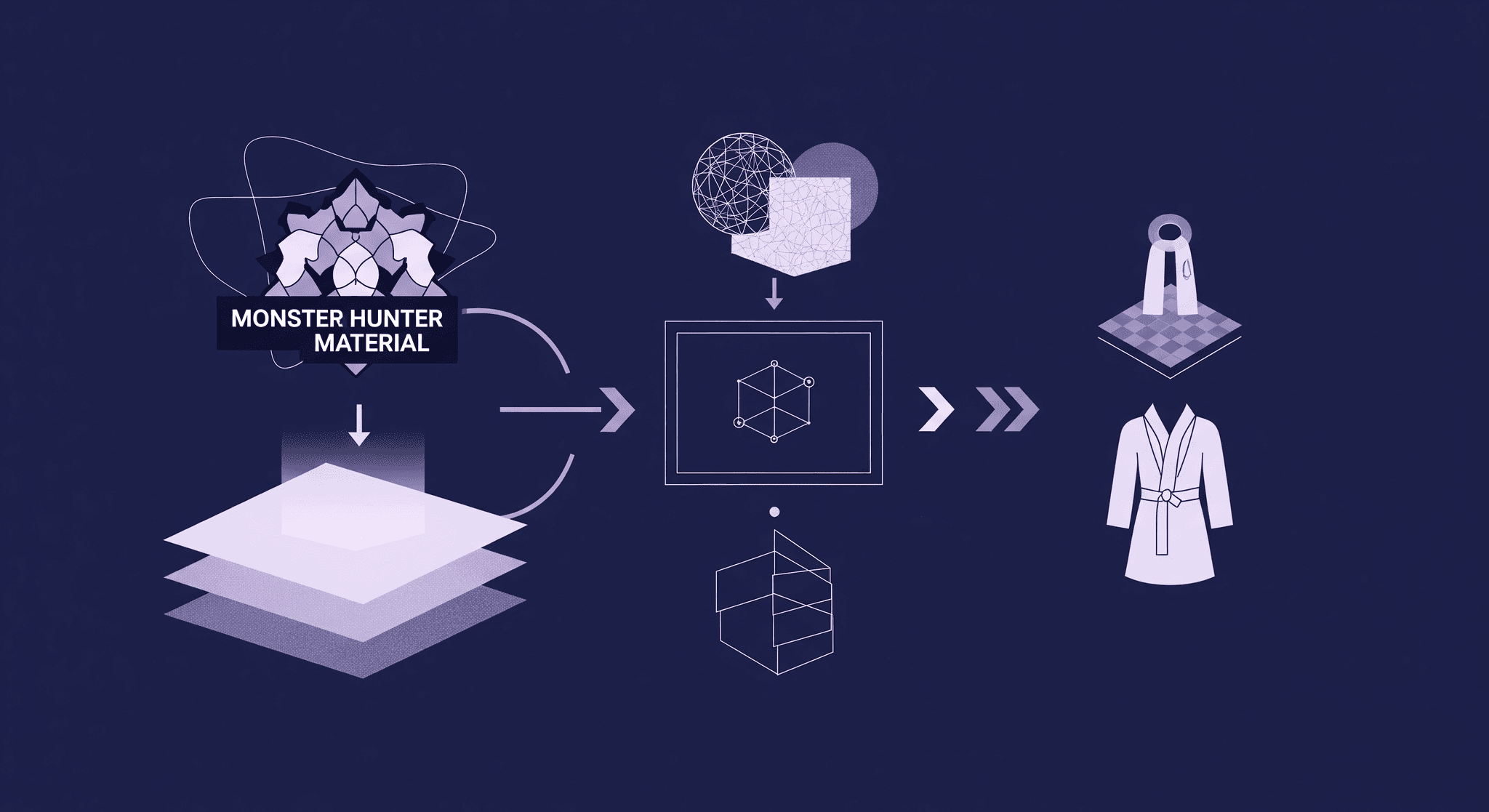
A workflow diagram showing an icon labeled MONSTER HUNTER MATERIAL leading to a stack of layers, then to a 3D grid cube, and finally to a rendered digital robe. This illustrates how a concept from a video game can serve as a blueprint for a complete digital fashion workflow.
This abstract representation suggests how Monster Hunter's Sinister Cloth materials can inspire automation in digital fashion design workflows.

Why Monster Hunter's Rarest Material Holds the Blueprint for Digital Fashion Workflows

AI in 3D design3D textures

Uncover the unexpected link between Monster Hunter's Sinister Cloth and future digital fashion workflows. Learn how this rare material's game mechanics illustrate value creation and automation in creative processes, offering insights applicable beyond gaming worlds.

Max Calder

Max Calder

Sep 16, 2025 · 11 mins read
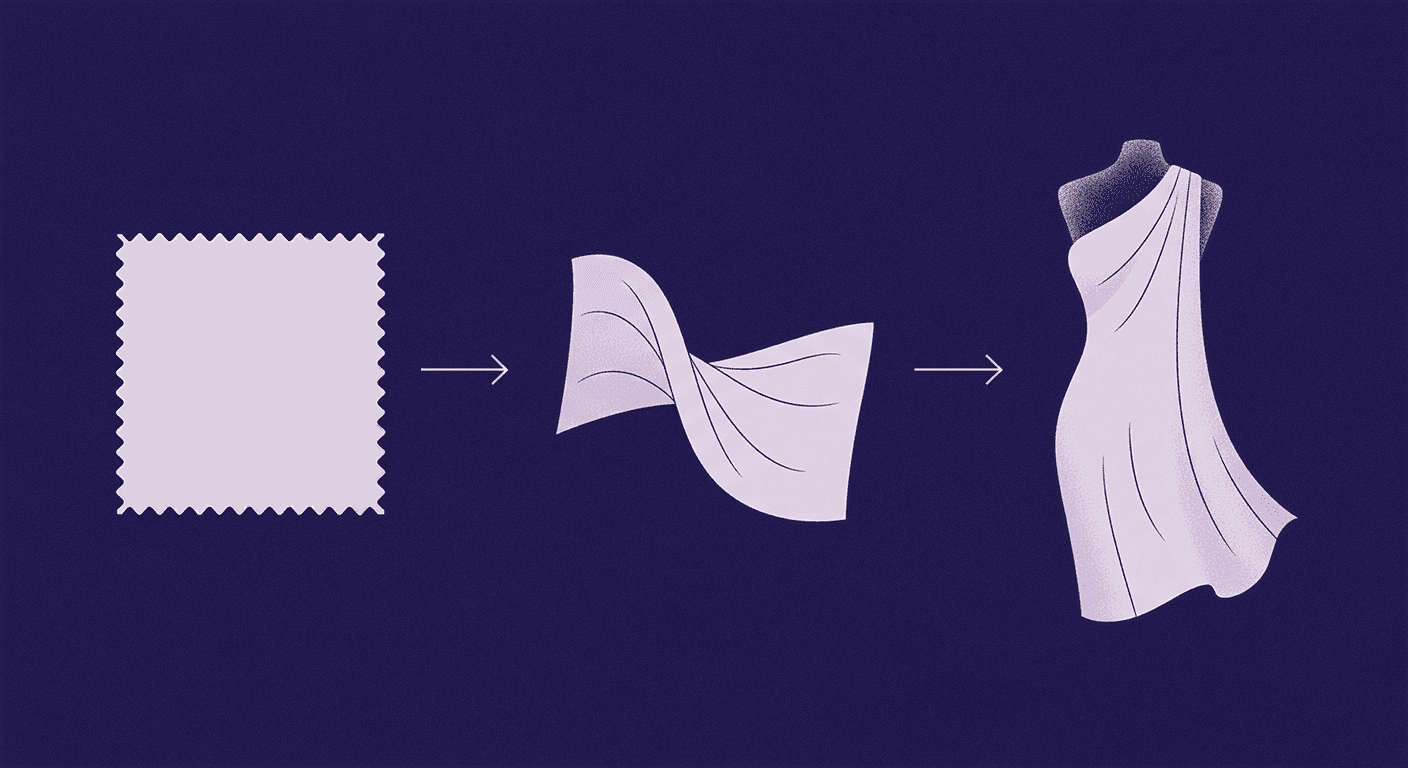
An illustration with three panels. The first panel shows a flat, rectangular fabric swatch. An arrow points to the middle panel, which shows the fabric twisted and folded in mid-air. A second arrow points to the final panel, where the fabric is draped on a mannequin to form a dress. This visualizes the process of digital draping for 3D fashion design.
This is an illustration demonstrating the workflow of digital textile draping. It shows how flat materials are transformed into realistic 3D objects like draped cloth and a dress.

A Guide to Mastering Digital Textile Draping And Texture Mapping

PBR textures3D textures

Making digital silk look and feel alive is a challenge. In this guide, we explore how mastering physics and texture mapping can breathe life into your renders, transforming 'almost perfect' into breathtaking reality.

Max Calder

Max Calder

Sep 15, 2025 · 11 mins read
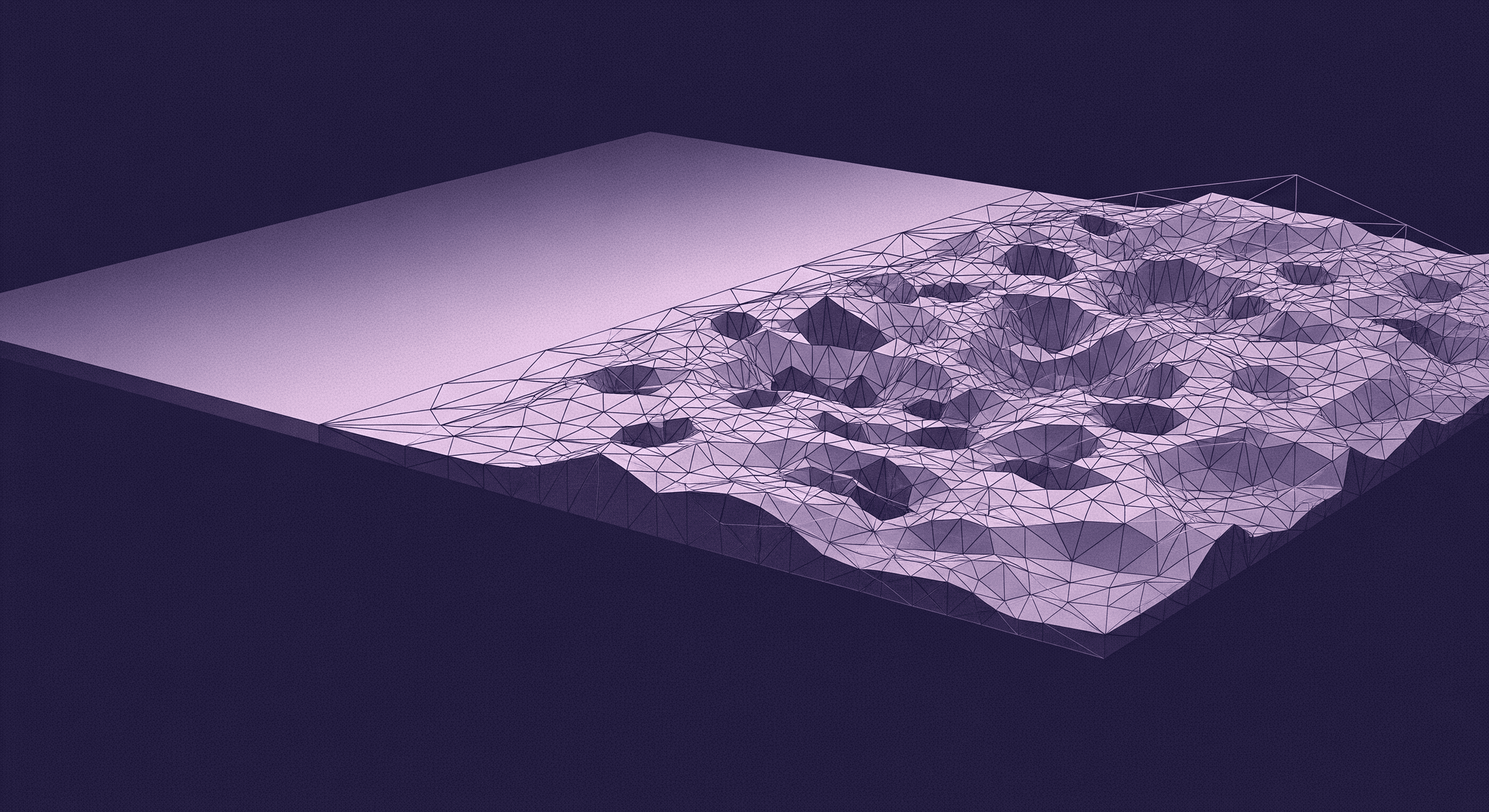
A side-by-side comparison of a 3D plane. The left half is a flat, smooth surface. The right half shows the same surface with a highly detailed, undulating texture, and a visible wireframe grid that confirms the geometry has been physically displaced. This image demonstrates the power of displacement mapping to add real detail beyond what bump maps can achieve.
An illustration demonstrating how displacement mapping adds real geometric detail to a flat surface, creating a far more realistic result than traditional bump maps.

Beyond Bump Maps: A Definitive Guide to Displacement Mapping

PBR textures3D textures

Ever wondered why some animations feel flat while others pop with realism? This guide dissects displacement maps vs. normal maps, showing how actual vertex movement crafts those immersive scenes. Unlock the secrets to enhanced 3D rendering and geometry.

Max Calder

Max Calder

Sep 11, 2025 · 14 mins read

An infographic split into two panels, representing two texturing workflows. The left panel, labeled Traditional Texturing, shows icons for a paint palette and brush. The right panel, labeled AI Texturing, shows a progress bar and icons for Seamless Texture and PBR. This diagram visually compares the manual and automated processes for making smarter texturing decisions.
A visual guide contrasting the traditional, manual process of texturing with the efficient, automated workflow of AI texturing for faster project completion.

Make Smarter Texturing Decisions That Actually Hit Your Deadlines

AI in 3D design3D textures

Explore a framework that guides you in choosing between traditional hand-crafted and AI-generated texturing methods for your 3D projects. Learn how to strategically decide which approach to adopt, balancing artistic control with efficiency to meet deadlines.

Mira Kapoor

Mira Kapoor

Sep 9, 2025 · 14 mins read

A side-by-side diagram contrasting two texturing methods. The left side shows a disorganized pile of art tools like paintbrushes and paper, representing traditional texturing. The right side shows a clean interface with a progress bar and the label AI Texturing, representing an automated AI workflow.
A visual comparison between the chaotic, hands-on process of traditional texturing and the clean, automated workflow of AI-based texturing.

AI vs. Traditional Texturing: A Decision Framework for 3D Artists

AI in 3D design3D textures

Feeling the crunch of endless manual texturing? This insightful article gets real about the balance between traditional and AI approaches, focusing on workflow speed, artistic control, and quality. Unlock smarter strategies to evolve your art pipeline.

Mira Kapoor

Mira Kapoor

Sep 8, 2025 · 12 mins read

A side-by-side diagram demonstrating the effect of a normal map. On the left is a smooth, low-polygon sphere. An arrow points to the right, where the same sphere appears bumpy and highly detailed, illustrating how a normal map adds surface detail to an object without needing more polygons.
An illustration showing how a normal map transforms a simple, low-polygon sphere into a high-detail surface, achieving a realistic look without increasing the polygon count.

More Detail, Fewer Polygons: The Technical Guide to Normal Maps

PBR textures3D textures

Unlock the secrets of high-detail surfaces without the performance hit in this comprehensive guide to normal maps. Dive into the math and rendering science that empowers artists to blend visual richness with real-time efficiency effortlessly.

Max Calder

Max Calder

Sep 5, 2025 · 13 mins read

A conceptual illustration of a close-up 3D rendering of a highly detailed, rough, and rocky texture applied to a square plane and a sphere in purple tones, symbolizing a high-quality Albedo map used in PBR workflows.
A visualization of a high-detail Albedo map (color texture) applied to a square plane and a sphere, demonstrating the base color fidelity required for a bulletproof PBR material.

Build Bulletproof Albedo Maps That Make Your PBR Materials Shine

PBR textures3D textures

Ready to master the nuances of Albedo maps and elevate your PBR texturing game? This comprehensive guide breaks down the crucial differences from traditional Diffuse workflows and provides indispensable tips for creating realistic and dynamic materials under any lighting condition.

Max Calder

Max Calder

Sep 4, 2025 · 13 mins read

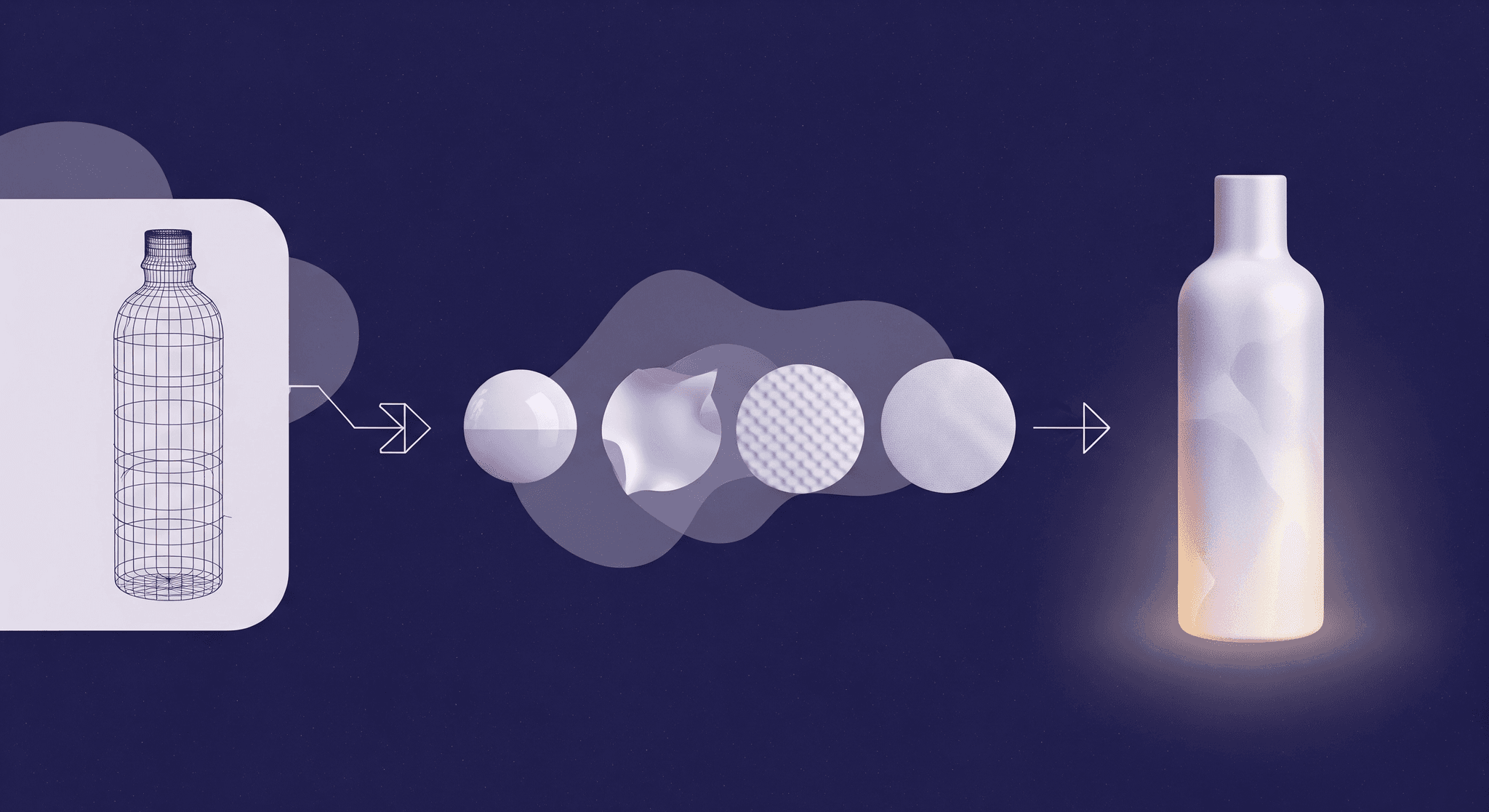
An infographic illustrating the journey from heavy 6K textures through various processing layers to smooth rendering (depicted as a pristine 3D object on a pedestal). This visual explains the concept of taming 6K textures for GPU cooling and smooth renders.
An illustration showing the process of optimizing heavy 6K textures to achieve smooth rendering and maintain GPU performance.

Taming 6K Textures: How to Keep Your GPU Cool and Your Renders Smooth

3D texturesGame textures

Struggling with 6K textures that stall your creativity? This guide walks you through a smarter workflow for integrating high-resolution assets seamlessly, turning potential headaches into smoothly-run projects without demanding hardware upgrades. Discover strategies to keep your artistic momentum rolling.

Max Calder

Max Calder

Sep 2, 2025 · 11 mins read

Texturly company logo - a stylized letter T

Accelerate you workflow

with automated PBR texture generation

Enjoy creative freedom with AI powered texture creation