Blog & Updates From Texturly

Texturly blog for the latest news, tips, tricks, and how-to articles on advanced AI texture generation platform.

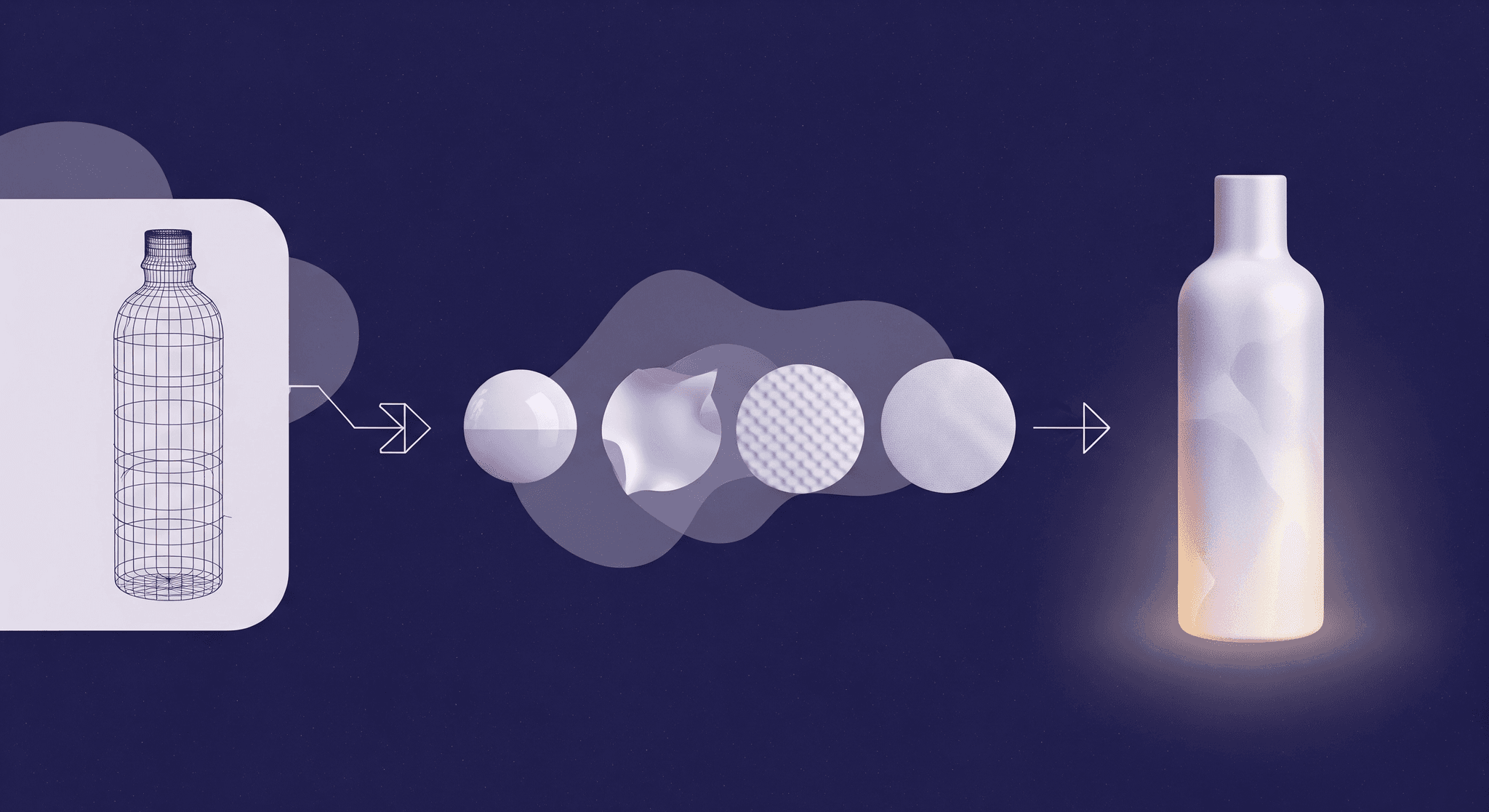
A 3D diagram showing a sphere sliced into several segments. Each segment represents a different aspect of a product's design. The central segments have a unique bumpy texture, illustrating how texture is a key factor that impacts all these elements and contributes to a product's success.
This abstract image exemplifies how strategic textures in product design enhance functionality and differentiation across various industries.

Touch to Triumph: Strategic Lessons from Product Texture Case Studies

Product rendering3D textures

Explore how the texture of a product can be its most powerful feature, driving user engagement across various industries. Through compelling case studies, discover how texture strategy shapes brand identity and enhances the tactile user experience.

Mira Kapoor

Mira Kapoor

Sep 22, 2025 · 13 mins read
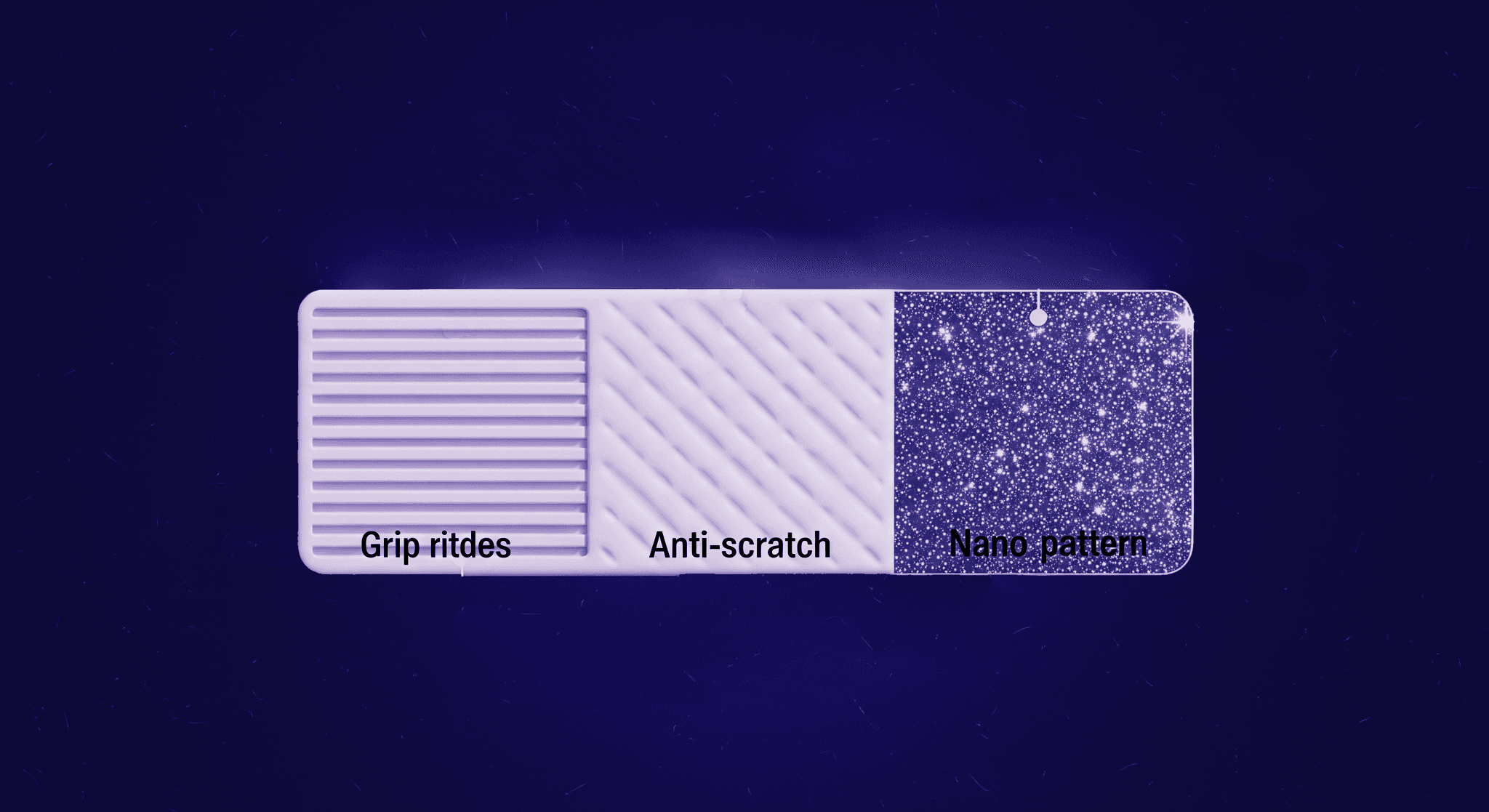
An infographic showing a three-part plastic block. The sections are labeled Grip ridges, Anti-scratch, and Nano-pattern, illustrating how plastic texture design can contribute to sustainable and functional product innovation.
An illustration demonstrating how strategic plastic texture design, including features like grip, anti-scratch, and nano-patterns, can unlock sustainable innovation.

More Than Material: How Plastic Texture Design is Unlocking Sustainable Innovation

Product rendering3D textures

Ever wondered why your digital render doesn’t match the final product? This guide delves into the transformative power of plastic texture in design, exploring how texture not only enhances aesthetics but also elevates functionality and user experience.

Mira Kapoor

Mira Kapoor

Sep 19, 2025 · 13 mins read
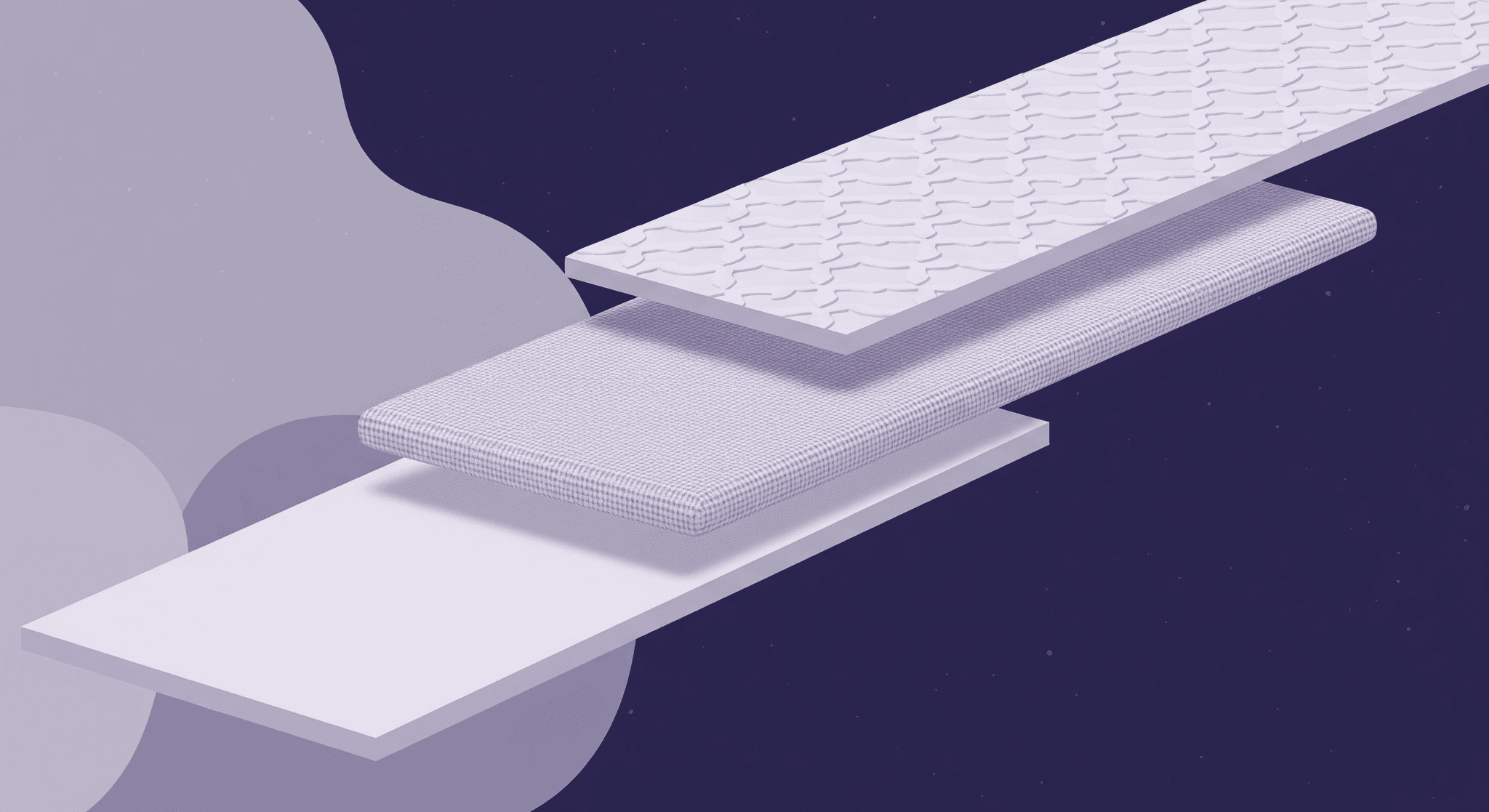
A 3D illustration showing a stack of three horizontal planes floating in space. The top plane has a decorative texture, the middle has a functional grid pattern, and the bottom is a smooth, solid color. This diagram represents a strategic approach to using materials and textures in design.
This illustration represents the strategic use of materials and textures in design, showcasing how different textures can influence perception and functionality.

Beyond Surface Level: Materials and Textures as Design Strategy

Product rendering3D textures

Uncover the strategic power of materials and textures in product design beyond mere aesthetics. This guide elevates your understanding, transforming how products are created, felt, and perceived. Master the art of texture as more than decoration.

Mira Kapoor

Mira Kapoor

Sep 18, 2025 · 18 mins read

An abstract representation for an article about lessons from successful metaverse implementations, showing a stable base of geometric shapes supporting a luminous archway symbolizing a well-crafted destination.
This abstract imagery illustrates the importance of building a strong foundation in metaverse projects to create inviting, user-focused environments.

Beyond the Hype: Actionable Lessons from Successful Metaverse Implementations

AI in 3D designProduct rendering

Discover actionable insights from successful metaverse projects in this comprehensive guide. We unpack strategic lessons across industries, helping you navigate pitfalls and optimize for community, economy, and performance. Ready to build metaverses people actually visit? This is your essential roadmap.

Mira Kapoor

Mira Kapoor

Aug 29, 2025 · 13 mins read
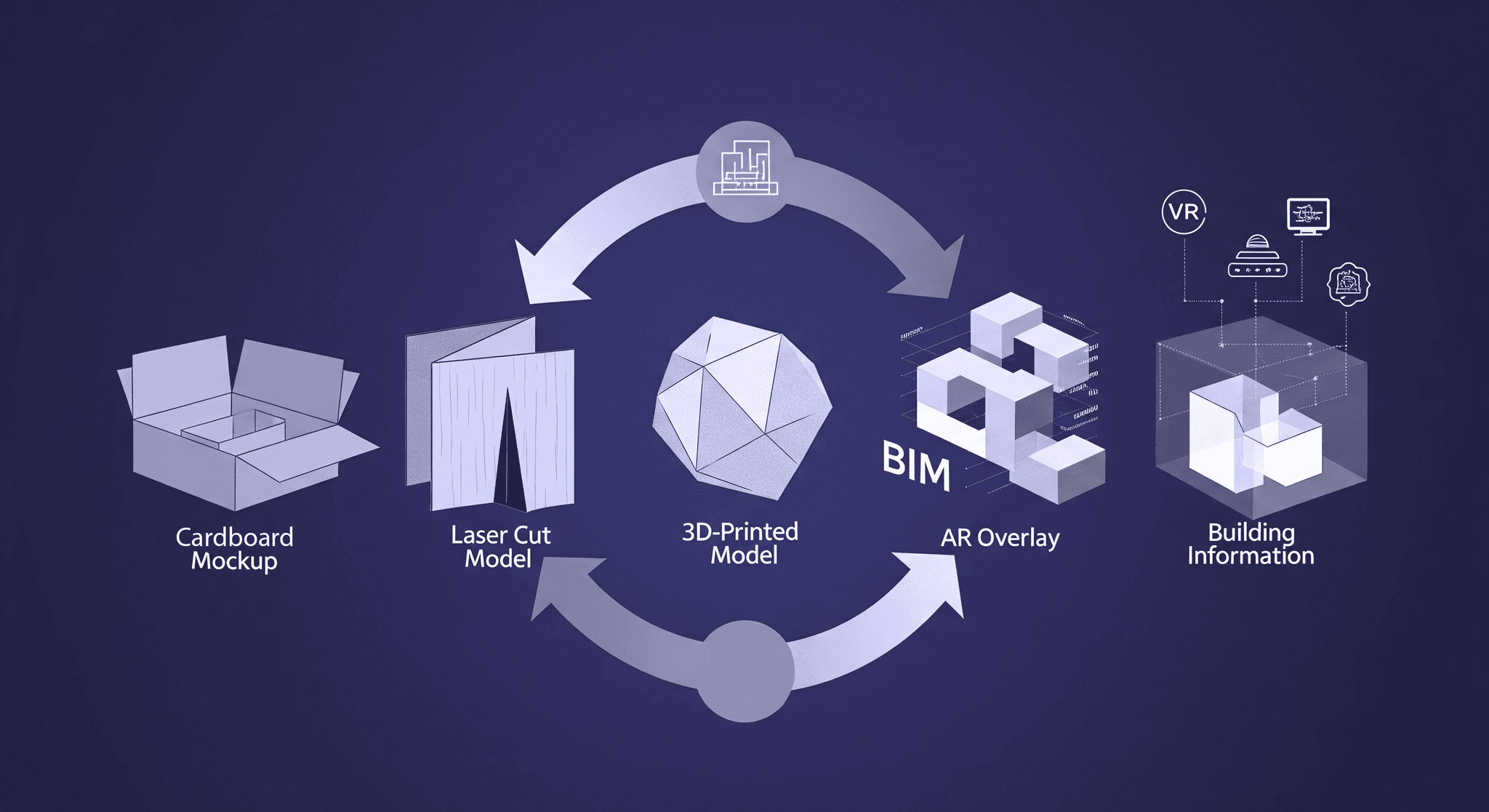
A circular workflow diagram for architectural design. The cycle includes a Cardboard Mockup, Laser Cut Model, 3D-Printed Model, AR Overlay, and Building Information, demonstrating the iterative process of creating material models and digital representations for architecture.
An illustration of the modern architectural workflow, showing how physical prototypes like laser-cut and 3D-printed models integrate with digital building information.

Pixels vs. Prototypes: Why Material Models Still Define Great Architecture

AI in 3D designProduct rendering

Navigating the tension between traditional physical models and digital twins? This guide reframes the debate, showing how integrating both can enhance your architectural workflows, encourage innovative design, and bridge communication gaps across teams. Explore new insights and techniques today.

Max Calder

Max Calder

Aug 28, 2025 · 14 mins read

An abstract visualization illustrating an intelligent architectural workflow, where geometric shapes symbolizing material data feed into a glowing mechanism to produce a clear architectural silhouette, relevant to the science of smart material selection for architects.
This visualization represents how intelligent workflows and smart material selections drive the creation of efficient architectural designs, highlighting concepts of material architecture.

Behind the Science of Smart Material Selection for Architects

AI in 3D designProduct rendering

Struggling with material choices that slow down your project? This guide equips you with a practical framework to select architectural materials intelligently, using a blend of research principles, AI, and VR. Build smarter, sustainable structures and stay competitive.

Max Calder

Max Calder

Aug 27, 2025 · 13 mins read
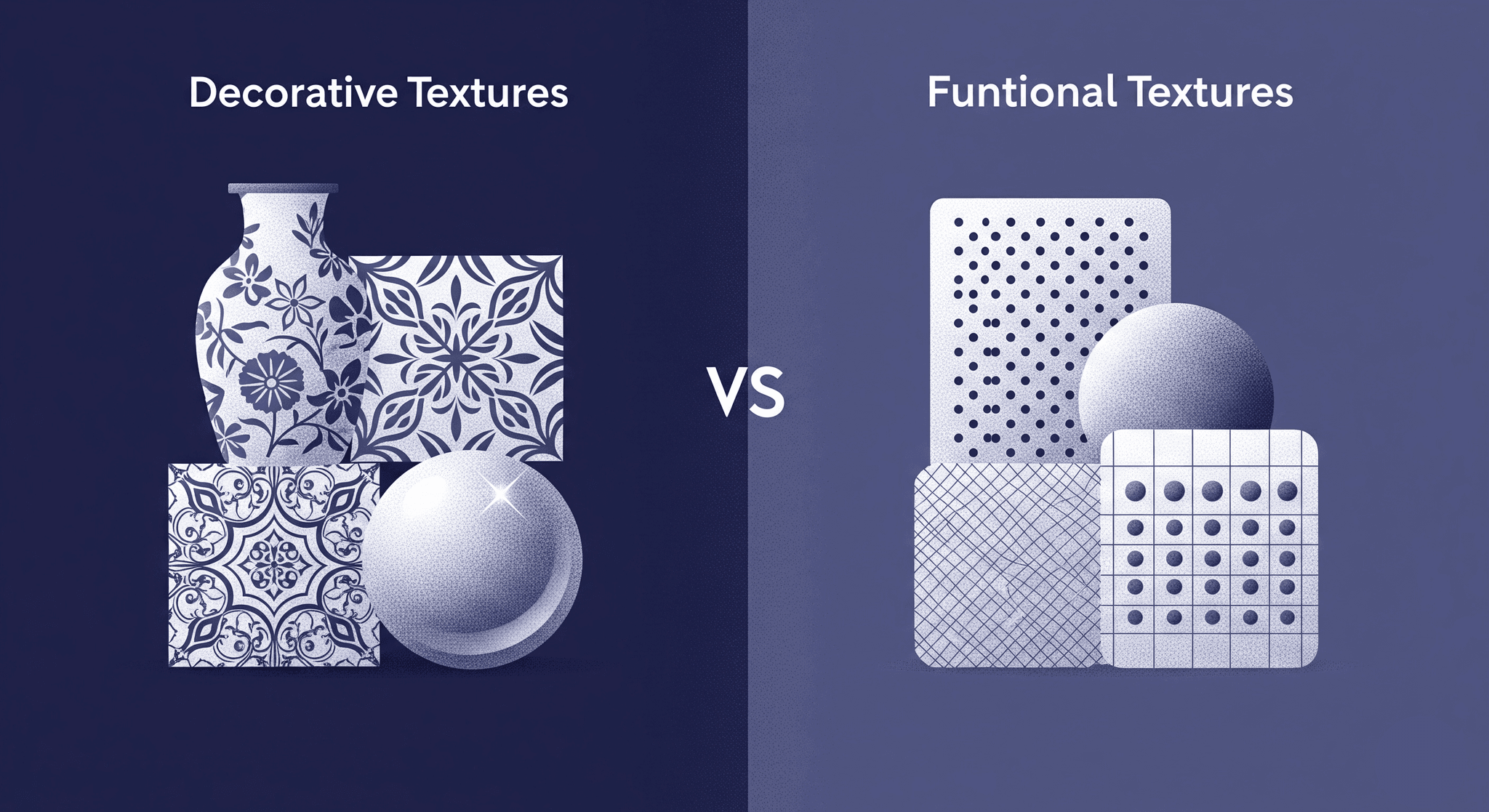
A side-by-side diagram contrasting two types of textures. The left side, labeled Decorative Textures, shows a vase and patterned tiles. The right side, labeled Functional Textures, shows geometric shapes with purposeful textures like dots and grids. This image visually explains how to use texture in product design to communicate value.
An illustration of the difference between purely decorative textures and functional textures that communicate value in product design.

Stop Decorating: How to Use Texture in Product Design to Communicate Value

Product rendering3D textures

In this guide, we move beyond traditional art concepts and delve into how texture can be the key to unlocking communication in product design. Learn how to use texture strategically to narrate a product's story, enhance its value, and influence user perception.

Max Calder

Max Calder

Aug 21, 2025 · 11 mins read
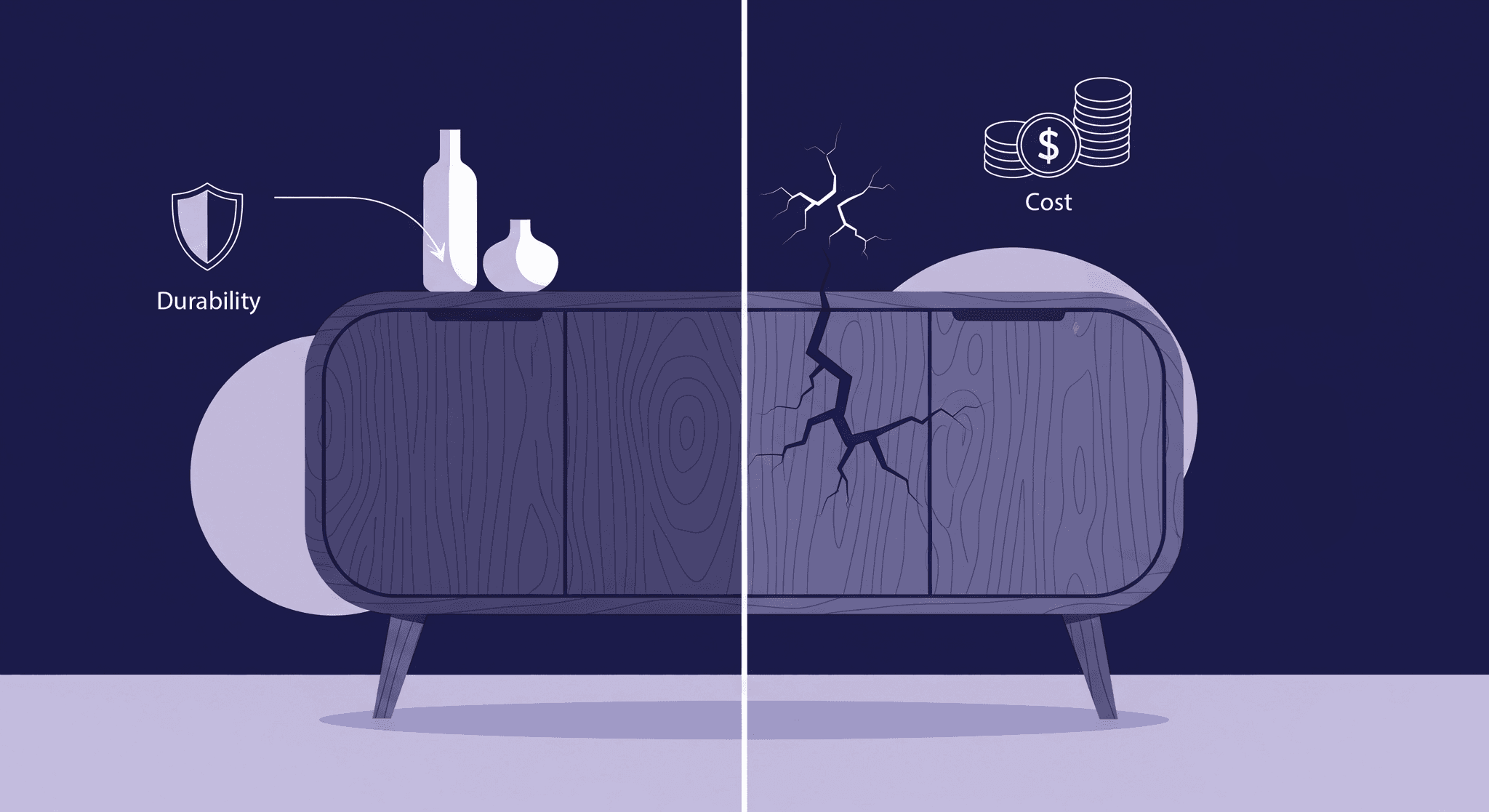
An illustration of a wooden cabinet split into two halves. The left half is labeled Durability and is in perfect condition. The right half is cracked and is labeled Cost with a coin icon. This visually represents the compromise of solid wood in interior design regarding durability and expense.
An illustration of the durability vs. cost trade-off often associated with solid wood in interior design projects.

Why Solid Wood Is Actually the Compromise

AI in 3D designProduct rendering

Explore the transformative potential of wood veneer in interior design with our comprehensive guide. Learn about the material's advantages, from stability and sustainability to design flexibility, and discover strategic application techniques to enhance your projects.

Mira Kapoor

Mira Kapoor

Aug 20, 2025 · 15 mins read

Texturly company logo - a stylized letter T

Accelerate you workflow

with automated PBR texture generation

Enjoy creative freedom with AI powered texture creation