Why Textile Textures Matter in Modern Fashion (Applications & Future Trends)
By Mira Kapoor | 8 April 2026 | 12 mins read
Table of contents
Table of Contents
You can design the perfect silhouette, choose a trending color palette, and craft a visually striking collection, but if the texture feels flat, the entire piece can lose its impact. That subtle disconnect, the reason a garment looks good but doesn’t feel compelling, often comes down to one overlooked element: textile texture. It’s the layer that adds depth, realism, and emotion to fashion, transforming a design from something you simply see into something you almost feel.
In modern fashion, texture is no longer just a supporting detail. It has become a primary design driver. From the soft fluidity of silk to the structured rigidity of denim, textures influence how garments move, how they interact with light, and how they are perceived by the wearer. Designers are increasingly thinking beyond color and form, focusing instead on how materials behave, reflect, and communicate.
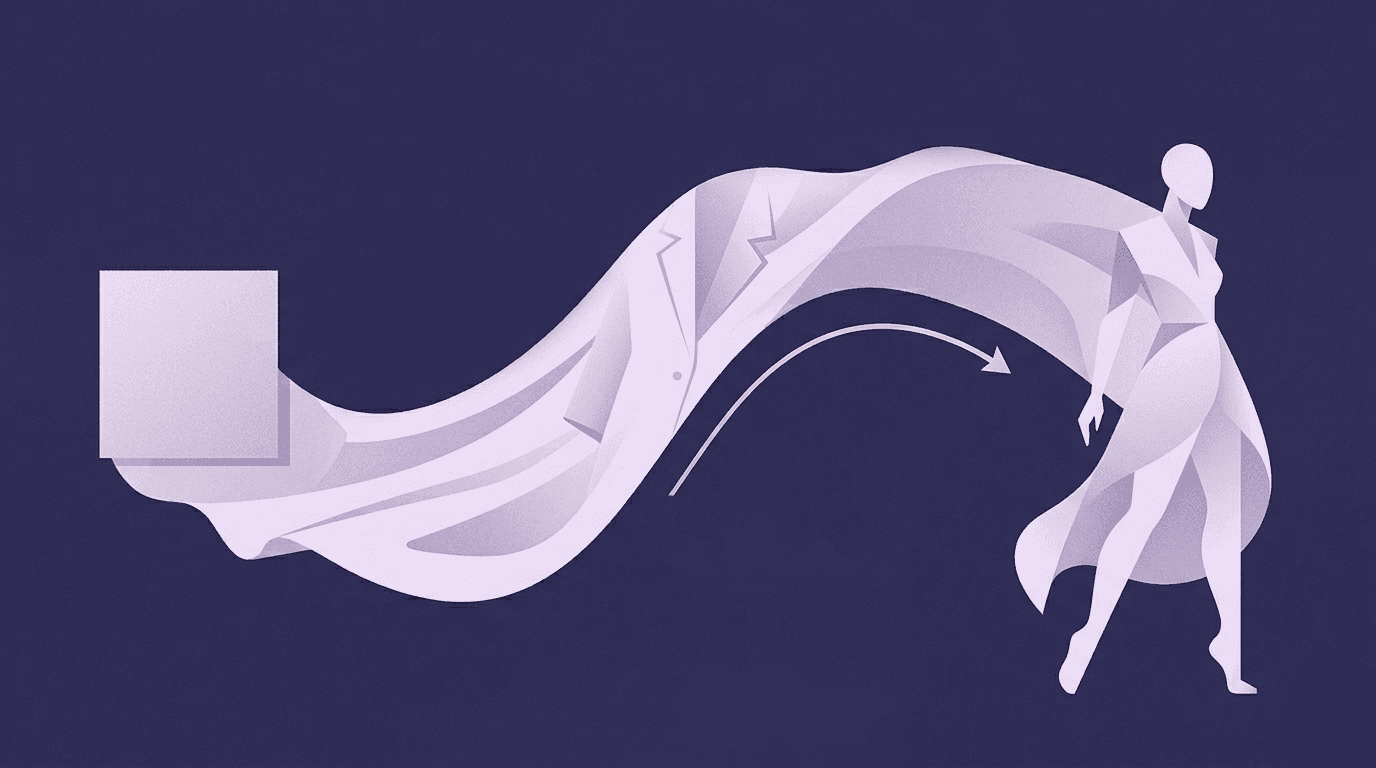
This shift is also being accelerated by the rise of digital fashion and virtual production pipelines. Today, textures aren’t just physical; they exist as digital assets that need to look just as convincing on a screen as they do in real life. Creating, testing, and scaling these textures using traditional methods can be slow and resource-intensive, pushing the industry toward more efficient, technology-driven solutions.
The language of textile textures in fashion design
What exactly are textile textures, and why do they matter so much?
At its core, textile texture refers to the surface quality of a fabric, how it looks, feels, and interacts with light. But in fashion design, texture goes far beyond simple tactile sensation. It operates on two levels: tactile texture, which is how a material physically feels, and visual texture, which is how that material appears to the eye, even in a photograph or digital rendering.
This distinction is critical in modern fashion. A garment doesn’t need to be physically touched to communicate its texture anymore. In e-commerce, lookbooks, and digital environments, texture is often experienced visually first. A well-crafted texture can instantly signal softness, weight, or structure, shaping expectations before the product is ever worn.
How do textures influence the way garments look and feel
Texture plays a direct role in how a garment behaves. A structured fabric like denim holds its shape, creating bold silhouettes and clean lines. In contrast, softer materials like silk or jersey flow naturally, producing movement and fluidity. These characteristics influence everything from fit to drape to overall aesthetic.
Light interaction is another crucial factor. Glossy textures reflect light, making surfaces appear more luxurious and attention-grabbing. Matte textures absorb light, creating a more understated and grounded look. Even subtle variations, like a slightly rough weave or a brushed finish, can dramatically change how a garment is perceived under different lighting conditions.
This is why two garments with identical cuts and colors can feel completely different. Texture introduces depth and variation, preventing designs from appearing flat or lifeless.
Why do designers treat texture as a storytelling tool
In contemporary fashion, texture is a form of visual language. Designers use it to communicate mood, identity, and intent without relying on overt graphics or patterns. A distressed, worn texture might evoke rebellion or authenticity, while a smooth, polished finish can signal refinement and precision.
Texture also plays a key role in brand identity. Many fashion labels are recognized not just by their silhouettes or colors, but by their consistent use of materials and finishes. Over time, these textural choices become part of the brand’s signature.
In a landscape where consumers are constantly exposed to visual content, texture helps designs stand out. It adds nuance, making garments feel more real, more relatable, and ultimately more desirable. As fashion continues to evolve across both physical and digital spaces, mastering the language of texture is becoming one of the most important skills in modern design.
Where textile textures show up across modern fashion
Textile textures don’t exist in isolation; they are deeply tied to the identity of each fashion segment. In luxury fashion, texture is often synonymous with craftsmanship and exclusivity. Rich materials like velvet, silk, and brocade are chosen not just for their appearance, but for the way they reflect light and convey depth. These textures create a sense of richness that elevates even the simplest silhouettes.
Streetwear, on the other hand, takes a more expressive and experimental approach. Here, textures are often raw, layered, and intentionally imperfect. Distressed denim, washed cotton, and textured prints are used to create a sense of authenticity and individuality. The appeal lies in how these materials feel lived-in and real, aligning with the culture and attitude of the audience.
In sportswear and performance apparel, texture becomes functional. Materials are engineered to be breathable, stretchable, and moisture-wicking. But function doesn’t come at the expense of aesthetics. Modern sportswear blends performance-driven textures with visual appeal, creating garments that look as dynamic as they perform.
What role do textures play in sustainable fashion
As sustainability becomes a central focus in the industry, texture is playing a new and important role. Organic fabrics, recycled materials, and bio-engineered textiles often come with unique surface characteristics that differentiate them from traditional materials. Instead of hiding these differences, many brands highlight them as part of their identity.
Textures in sustainable fashion often communicate transparency and authenticity. Slight irregularities, natural fibers, and raw finishes signal that a product is environmentally conscious. In this way, texture becomes a visual indicator of values, helping consumers quickly identify products that align with their preferences.
At the same time, designers face the challenge of maintaining aesthetic appeal while working with alternative materials. This is where innovation in texture creation, both physical and digital, becomes critical.
Why are layered and mixed textures dominating modern collections
One of the most defining trends in modern fashion is the use of multiple textures within a single design. Instead of relying on a single material, designers are combining contrasting textures to create visual complexity and depth. A smooth leather jacket paired with a soft knit or a structured fabric, combined with sheer overlays, creates a dynamic interplay that captures attention.
This layering approach reflects a broader shift toward more expressive and multidimensional design. It allows designers to experiment with contrast, soft versus hard, matte versus glossy, structured versus fluid, within the same piece or outfit.
From a visual perspective, mixed textures make garments more engaging, especially in digital formats like e-commerce or social media. They create highlights, shadows, and variations that photograph well and stand out in crowded visual environments.
Ultimately, the widespread use of diverse and layered textures shows how fashion has moved beyond simplicity. Texture is no longer just an attribute of fabric; it’s a strategic tool for creating depth, differentiation, and impact across every segment of the industry.
From fabric to pixels: How technology is transforming texture creation
What are the limitations of traditional textile workflows
For decades, textile creation has relied on physical sampling, manual iteration, and time-intensive processes. Designers would source fabrics, test variations, produce swatches, and refine materials through multiple rounds before finalizing a single texture. While this approach offers control, it comes with clear limitations, high costs, long production cycles, and limited flexibility when experimenting with new ideas.
Scaling is another major challenge. Creating multiple variations of a texture, different finishes, colors, or surface qualities, requires additional sampling, which quickly becomes impractical. This slows down innovation, especially in an industry where speed and adaptability are becoming critical.
How does AI change the way textures are created and tested
Artificial intelligence is fundamentally reshaping how designers approach texture creation. Instead of starting from scratch with physical materials, designers can now generate textures directly from prompts or base images. This dramatically reduces the time required to explore ideas, allowing for rapid experimentation and iteration.
AI also enables designers to visualize textures instantly across different contexts. A single concept can be transformed into multiple variations, rough, smooth, glossy, or matte, without the need for additional resources. This level of flexibility makes it easier to refine designs early in the process, before committing to production.
More importantly, AI shifts texture creation from a linear workflow to a dynamic one. Physical limitations no longer constrain designers; they can explore a broader range of possibilities with minimal effort.
Why are seamless tileable textures critical for modern design pipelines?
In both digital fashion and product visualization, textures are rarely used just once. They are repeated across surfaces, whether it’s fabric on a garment, materials in a 3D scene, or backgrounds in product imagery. If a texture isn’t seamless, these repetitions become obvious, creating visible edges and breaking realism.
Seamless, tileable textures solve this problem by ensuring that the edges of an image blend perfectly when repeated. This allows designers to scale textures across any surface without distortion or visible seams. It’s a foundational requirement for applications like 3D rendering, virtual try-ons, and digital prototyping.
Creating these textures manually can be complex and time-consuming. AI-powered tools simplify this process by automatically converting standard images into perfectly tileable patterns, eliminating one of the most technical barriers in digital design workflows.
What role do PBR maps play in realistic digital materials
As fashion increasingly intersects with 3D design and virtual environments, realism becomes a key requirement. This is where Physically Based Rendering (PBR) maps come into play. Instead of relying on a single image, PBR workflows use multiple maps, such as albedo (color), roughness, normal, and displacement, to simulate how a material interacts with light.
These maps allow fabrics to behave realistically in digital environments. A rough surface will scatter light differently from a smooth one; a raised texture will cast subtle shadows that add depth. The result is a material that looks and feels far more lifelike, even on a screen.
Bridging creativity and scalability with AI-powered tools
This convergence of AI and texture technology is what enables modern fashion workflows to scale efficiently. Tools like Texturly allow designers to generate textures from prompts, convert images into seamless tileable patterns, and automatically create PBR maps from a single base image.
Instead of juggling multiple tools and manual processes, designers can experiment, refine, and export production-ready textures within a single workflow. Adjustments like brightness, contrast, saturation, and sharpness can be fine-tuned instantly, ensuring the final output matches the desired aesthetic.
In a landscape where speed, realism, and flexibility are essential, technology is no longer just supporting texture creation; it’s redefining how it happens altogether.
How textile textures shape consumer perception and buying behavior
Why do certain textures feel more premium or comfortable
Texture plays a powerful psychological role in how consumers perceive fashion products. Even without physical interaction, people make immediate judgments based on how a material appears. Soft, smooth textures are often associated with comfort and luxury, while rough or coarse surfaces can signal durability, ruggedness, or casual wear.
Glossy finishes tend to feel more premium because they reflect light in a way that mimics polished, high-end materials. In contrast, matte textures feel more subtle and grounded, often associated with minimalism or everyday wear. These perceptions are not random; they are shaped by years of visual conditioning and cultural context.
For brands, this means texture is not just a design choice; it’s a positioning tool. The same garment can feel entirely different depending on how its texture is presented.
How do textures impact online shopping and product visuals
In e-commerce, texture becomes even more critical because it replaces the sense of touch. Consumers rely entirely on visuals to understand what a product might feel like. If the texture is poorly represented, flat, blurry, or unrealistic, it creates uncertainty, which can reduce trust and lower conversion rates.
High-quality texture representation helps bridge this gap. Detailed fabric close-ups, realistic lighting, and accurate material rendering allow customers to better imagine the product in real life. This is especially important for fashion, where material quality is often a deciding factor in purchasing decisions.
Digital tools and rendering technologies have made it possible to showcase textures with a high degree of realism. Seamless textures and PBR-based materials ensure that garments look consistent across different angles and lighting conditions, creating a more immersive and reliable shopping experience.
The future of textile textures: AI, digital fashion, and beyond
Are we moving toward fully digital fabrics
As fashion continues to expand into digital spaces, virtual showrooms, gaming environments, and augmented reality experiences, the concept of fabric is no longer limited to the physical world. Digital garments require textures that behave like real materials, even though they exist purely on screens. This shift is accelerating the demand for high-quality, realistic textures that can perform across multiple environments, from e-commerce visuals to immersive 3D platforms.
We’re already seeing the emergence of digital-first collections, where garments are designed, tested, and showcased entirely in virtual spaces before (or without) being produced physically. In this context, texture becomes the primary driver of realism. Without accurate material representation, even the most well-designed digital garment can feel artificial.
How will personalization change texture design
Modern consumers increasingly expect personalization, not just in fit or style, but in the overall aesthetic of a product. Texture is becoming a key variable in this equation. Instead of choosing from a fixed set of materials, users may soon be able to customize textures based on their preferences, selecting finishes, patterns, or surface qualities in real time.
For designers, this introduces both an opportunity and a challenge. Creating unique textures for every variation manually isn’t scalable. However, AI-powered systems make it possible to generate and adjust textures dynamically, opening the door to mass customization without increasing production complexity.
This shift also aligns with on-demand manufacturing, where products are created only after a purchase is made. Texture generation becomes part of a flexible pipeline, adapting to individual user inputs rather than relying on pre-defined options.
What does the future of texture creation look like for designers
The future of texture creation lies at the intersection of creativity and computation. Designers will move away from static workflows and toward more interactive systems, where textures can be generated, refined, and deployed in real time. Instead of spending hours creating a single material, they will be able to explore multiple directions instantly and choose the one that best fits their vision.
Seamless tiling, realistic lighting behavior, and multi-map outputs like PBR will become standard requirements rather than advanced features. As digital environments become more sophisticated, the expectations for material realism will continue to rise.
Tools that integrate these capabilities into a single workflow will play a central role in this evolution. Platforms like Texturly enable designers to move from a simple image or idea to a fully usable, production-ready texture, complete with seamless tiling and PBR maps, without the traditional overhead.
From surface detail to strategic design element
Texture has evolved from a subtle design detail into a defining element of modern fashion. It shapes how garments look, feel, and communicate, influencing everything from creative direction to consumer perception. Whether in physical collections or digital environments, texture is now central to how fashion is designed, experienced, and understood.
At the same time, the process of creating and managing textures is undergoing a fundamental transformation. Traditional workflows, while still valuable, are being complemented and in many cases replaced by faster, more flexible digital approaches. AI-powered tools are making it possible to generate, refine, and scale textures with a level of efficiency that was previously unattainable.
For designers and brands, this shift represents an opportunity to rethink how materials are created and applied. By embracing new technologies, they can move beyond limitations and focus on what matters most: crafting experiences that feel rich, immersive, and real.
As fashion continues to blur the line between physical and digital, one thing remains clear, texture is no longer just what you see on the surface. It’s a strategic tool that defines the depth, quality, and impact of modern design.

Mira Kapoor
Mira leads marketing at Texturly, combining creative intuition with data-savvy strategy. With a background in design and a decade of experience shaping stories for creative tech brands, Mira brings the perfect blend of strategy and soul to every campaign. She believes great marketing isn’t about selling—it’s about sparking curiosity and building community.
Latest Blogs
The Indie Dev Guide to CC0 PBR Textures: Stop Searching, Start Cr...
PBR textures
AI in 3D design

Mira Kapoor
Jul 10, 2026
Sourcing Free Game Textures: Navigating PBR Pipelines and Stylize...
PBR textures
Game textures
Mira Kapoor
Jul 6, 2026
Sculpting with Sunlight: The Architectural Physics of Facade Text...
Texture creation
AI in 3D design

Max Calder
Jul 1, 2026

Accelerate you workflow
with automated PBR texture generation
Enjoy creative freedom with AI powered texture creation
 Texturly
Copyright © 2026 Texturly, Asha Technology Labs Pvt. Ltd. All rights reserved