Understanding Wood Veneer Texture: From Surface Craft to Design Impact
By Max Calder | 16 January 2026 | 10 mins read
Table of contents
Table of Contents
It’s one of the most common disconnects in industrial design: the gap between a photorealistic render and the final product in a user's hands. More often than not, the missing piece isn't the color or the form, it's the texture. This guide is here to close that gap, specifically for wood veneer. We'll unpack everything that matters, from how a surface is physically crafted to the way different finishes manipulate light and influence the tactile experience. Think bigger than kitchen cabinets; we're talking about how the right texture can elevate consumer electronics, automotive interiors, and architectural features. It’s time to move past veneer as a simple finish and start using it as the powerful, functional design tool it truly is.
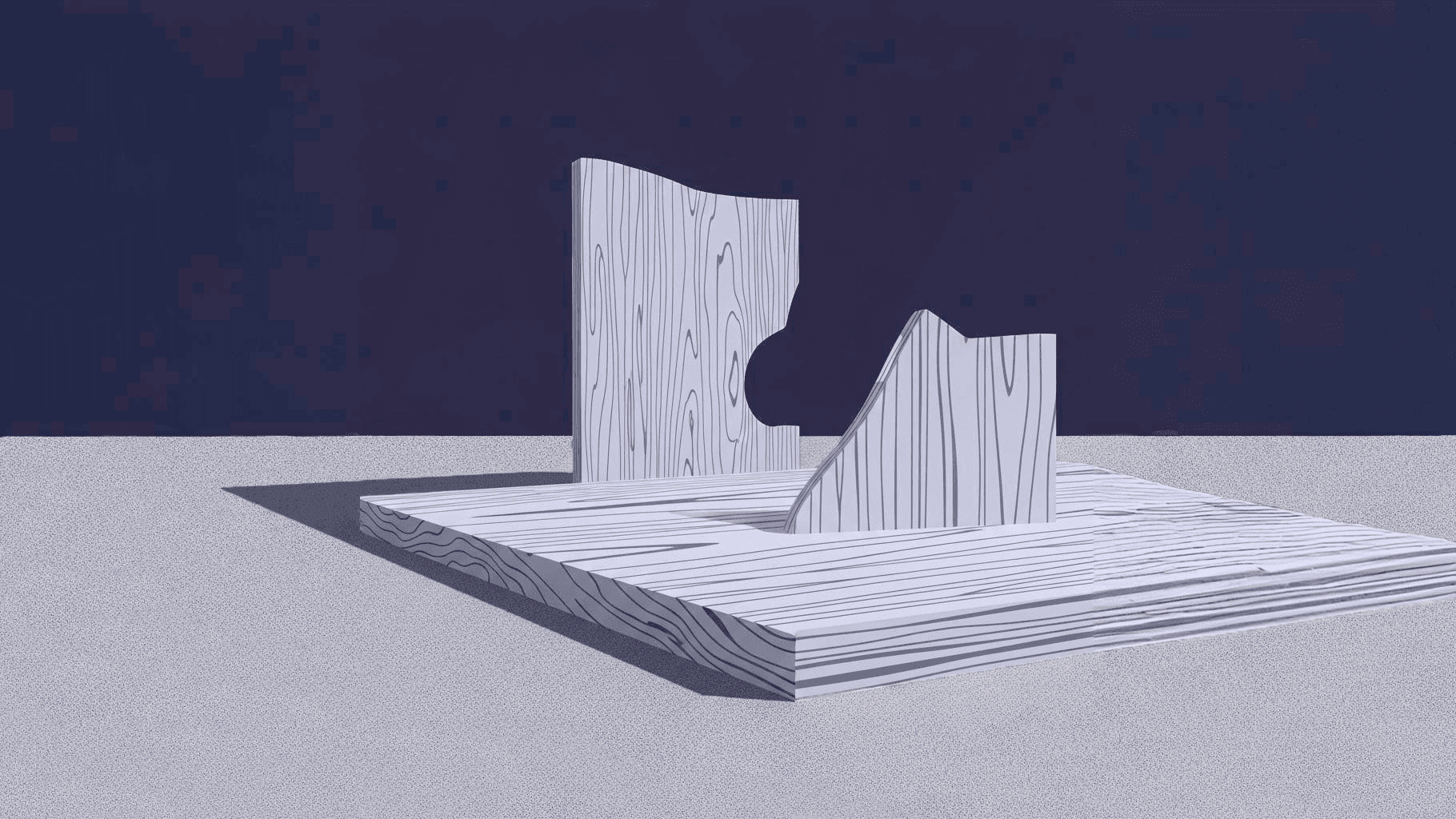
What exactly is wood veneer texture?
When we talk about wood veneer texture, we're not just talking about a pretty pattern. We’re talking about the tangible, physical surface quality of a thin slice of real wood. It’s the difference between a surface that feels like glass and one that feels like it just came from the sawmill. This texture is the sum of its parts, its natural characteristics, and the manufacturing process it undergoes.
Unpacking the term: a quick look at wood veneer characteristics
Most designers know the basics, but the nuances are where projects succeed or fail. It’s critical to get the distinctions right.
- Veneer vs. Solid wood vs. Laminate: Think of it this way. Solid wood is the whole log. Laminate is a photographic image of wood printed on plastic or paper, bonded to a composite base. Wood veneer, however, is a thin layer of actual wood sliced from a log and applied to a more stable substrate like MDF or particleboard. You get the authentic grain and warmth of real wood without the warping, splitting, or cost associated with solid timber.
- Grain, cut, and species: The inherent texture begins here. A species like oak has a porous, open grain that’s naturally tactile. Maple, on the other hand, is dense with a fine, closed grain. The way the veneer is cut from the log, rotary-cut, quarter-sawn, or rift-sawn, also dramatically alters the grain pattern and its resulting texture. A quarter-sawn oak will have a straight, linear grain, while a rotary-cut birch might have a broader, more unpredictable pattern. This is your starting point, the raw material’s fingerprint.
How wood veneer texture is created: from tree to touch
The journey from a log to a finished panel is a blend of traditional woodworking techniques and modern surface treatment processes. It’s not just about slicing it thin; it’s about intentionally crafting the final surface.
First, the log is prepared and sliced into veneer sheets, typically less than 3mm thick. These delicate sheets are then bonded to a stable substrate under heat and pressure. But the real textural magic happens during the finishing stage. This is where an engineered surface is born from a natural one. Techniques like wire-brushing, sand-blasting, or hand-scraping are used to physically alter the surface, either enhancing the natural grain or creating an entirely new tactile experience. Finally, a protective topcoat is applied, which can range from a matte finish that preserves the raw feel to a high-gloss polish that seals it completely.
Understanding this process is key because it gives you control. You’re not just picking a wood species; you’re specifying a complete surface system.
A guide to different wood veneer texture styles
Choosing a texture isn't just an aesthetic choice; it’s a functional one that dictates how a product or space feels. Here’s a breakdown of the core veneer texture types.
Smooth and polished finishes
This is the go-to for a clean, contemporary look. The surface is sanded perfectly flat and sealed with layers of lacquer or polyurethane, often buffed to a high gloss or a silky satin sheen. The goal here is to minimize the wood’s natural texture, letting the visual pattern of the grain do all the talking.
- Best for: Sleek, minimalist designs where the material serves as a quiet, elegant backdrop. Think high-end corporate boardrooms, modern cabinetry, and luxury furniture. It reflects light beautifully, adding a sense of polish and sophistication. The downside? It shows fingerprints and can feel cold to the touch if not balanced with other materials.
Open-grain and porous textures
Here, the goal is the opposite: to celebrate the wood's natural character. An open-grain texture is achieved by using a minimal finish, like a matte or low-sheen varnish, that doesn’t fill the wood’s natural pores. You can see and feel the subtle peaks and valleys of the grain. Species like oak, ash, and hickory are perfect candidates.
- Best for: Designs aiming for a connection to nature (biophilic design) or a soft, organic feel. It’s fantastic for residential interiors, hospitality spaces, and furniture where you want to invite touch. It absorbs light rather than reflecting it, creating a soft, warm ambiance.
Rough-sawn and wire-brushed finishes
If you need to dial up the tactile intensity, these are your tools. A rough-sawn finish mimics the look of freshly cut timber, with visible saw marks creating a rustic, linear pattern. Wire-brushing is a bit more refined; a stiff brush removes the softer springwood, leaving the harder summerwood raised. This accentuates the grain pattern with a deep, tangible texture.
- Best for: Creating a focal point. Use it on feature walls, reception desks, or statement furniture pieces in rustic, industrial, or modern farmhouse designs. It’s incredibly durable and great at hiding minor wear and tear, making it a smart choice for high-traffic commercial spaces.
Reclaimed and distressed textures
This texture tells a story. Reclaimed veneer is sourced from old timber, so it comes with built-in history, nail holes, weathering, and color variations included. Distressed finishes are new veneers that have been intentionally aged through techniques like hand-scraping, sand-blasting, and artificial weathering. The result is a surface rich with character and uniqueness.
- Best for: Adding depth and a sense of history. It works well in hospitality, retail, and residential projects aiming for an eclectic or storied vibe. The key is to use it strategically. A single distressed wall or a piece of furniture can anchor a room; too much can make a space feel busy or chaotic.
The impact of wood veneer texture on design
This is where you move from being a specifier of materials to a shaper of experiences. The impact of wood veneer texture on design is profound. It’s a tool that allows you to control how a product is seen, felt, and valued.
How different textures interact with light and shadow
At its core, texture is a light-management system. Get this right, and you can fundamentally change how a surface is perceived.
- Smooth, polished textures act like a mirror. They have high specular reflection, meaning they bounce light back in a direct, uniform way. This creates sharp highlights and makes a surface feel bright, clean, and often larger than it is. It’s why they’re a staple of minimalist design; they accentuate form without adding visual noise.
- Pronounced, rustic textures do the opposite. They scatter light in all directions (diffuse reflection). The tiny peaks and valleys of the grain create micro-shadows, which absorb more light and add incredible visual depth. This makes a surface feel warmer, softer, and more intimate. A wire-brushed wall in a large room can make the space feel cozier and more inviting.
Here's a practical example: Designing a small Bluetooth speaker? A high-gloss, smooth veneer will make it look sleek and modern, reflecting the room around it. Using a rough, reclaimed wood veneer, however, would make it feel like a more substantial, grounded object with a story to tell.
The tactile experience: Connecting visual appeal with touch
We don't just experience products with our eyes. Touch is a powerful, often subconscious, driver of perception and value. Texture is the bridge between what we see and how we feel.
Consider the surfaces you interact with daily. The back of your phone, the handle of a cabinet, the armrest of your chair. These high-touch points are where texture does its most important work.
- A heavy, pronounced texture often signals durability and strength. It feels robust and honest.
- A silky, smooth texture communicates precision, luxury, and refinement.
For a design manager, this is a critical consideration. If you're designing a piece of furniture meant to be a family heirloom, a texture with tactile character will reinforce that idea of longevity and warmth. If you're designing a control knob for a high-end audio system, a perfectly smooth, polished wood texture provides a satisfying, premium feel every time the user interacts with it.
Your job is to align the tactile feedback with the product's intended purpose and brand promise. Once you’ve mastered that, the final step is to build a system for making the right call every single time.
How to choose the right wood veneer for your project
Specification is where vision meets reality. Here’s a quick framework for making the right choice without getting overwhelmed.
Matching veneer texture types to your design aesthetic
Before you dive into samples, ask yourself a few key questions:
- What is the core concept? Are you designing for minimalism, rustic charm, or industrial grit? The texture should be a natural extension of your concept, not an afterthought.
- How will it be lit? Will it be washed in soft, indirect light or hit with dramatic spotlights? The lighting scheme will either hide or highlight your chosen texture.
- What other materials are in play? A rough-sawn veneer next to polished concrete creates a powerful contrast. The same texture next to a rough brick wall might just be noise. Context is everything.
Balancing look and feel with practical needs
A beautiful finish that fails in six months is a design failure. You have to consider the practical realities of the application.
- Durability: High-traffic surfaces like tabletops, doors, and commercial wall panels need robust textures and finishes. A wire-brushed or heavily textured surface is great at hiding scratches and dings, whereas a high-gloss finish will show every imperfection.
- Cleanability: How easy does the surface need to be to clean? A smooth, sealed veneer can be wiped down in seconds. An open-grain or rough-sawn texture has tiny crevices that can trap dust and grime, requiring more maintenance. This is a critical consideration for hospitality and healthcare environments.
A quick guide to maintenance and care for veneer surfaces
Finally, equip your clients (and yourself) with the right knowledge to keep things looking good. It’s simple, but often overlooked.
- For smooth/polished surfaces: Use a soft, damp cloth and a mild cleaner. Avoid abrasive pads or harsh chemicals that can dull or scratch the finish.
- For textured/open-grain surfaces: Dust regularly with a soft-bristled brush or the brush attachment on a vacuum to remove particles from the grain. For cleaning, use a damp cloth, moving with the grain, and dry immediately.
- General rule for all veneers: Wipe up spills immediately, use coasters to prevent moisture rings, and keep surfaces out of prolonged direct sunlight to prevent fading. Real wood is amazing, but it's not indestructible.
From screen to hand: Making texture count
At the end of the day, wood veneer texture isn't just another material spec on a list. It's the bridge between the digital and the physical, the critical detail that ensures the product in a user's hand feels as good as the render on your screen looks. It's the difference between a design that is simply seen and one that is truly felt.
You now have the full toolkit. You know how texture is made, how it plays with light, and how to choose the right finish for the job, whether it’s for a high-end speaker, an automotive dashboard, or a feature wall that needs to make a statement.
So, the next time you're deep in the design process, move beyond just the visual. Think about the tactile journey. Ask yourself: What will this feel like? Answering that question with intention is how you close the gap between a great concept and an unforgettable product. You’ve got this.

Max Calder
Max Calder is a creative technologist at Texturly. He specializes in material workflows, lighting, and rendering, but what drives him is enhancing creative workflows using technology. Whether he's writing about shader logic or exploring the art behind great textures, Max brings a thoughtful, hands-on perspective shaped by years in the industry. His favorite kind of learning? Collaborative, curious, and always rooted in real-world projects.
Latest Blogs

The Indie Dev Guide to CC0 PBR Textures: Stop Searching, Start Cr...
PBR textures
AI in 3D design

Mira Kapoor
Jul 10, 2026
Sourcing Free Game Textures: Navigating PBR Pipelines and Stylize...
PBR textures
Game textures
Mira Kapoor
Jul 6, 2026
Sculpting with Sunlight: The Architectural Physics of Facade Text...
Texture creation
AI in 3D design

Max Calder
Jul 1, 2026

Accelerate you workflow
with automated PBR texture generation
Enjoy creative freedom with AI powered texture creation
 Texturly
Copyright © 2026 Texturly, Asha Technology Labs Pvt. Ltd. All rights reserved