Exploring Sustainable Fabrics and Their Textures for Digital Design
By Max Calder | 9 February 2026 | 14 mins read
Table of contents
Table of Contents
In today’s design landscape, sustainability is no longer just a buzzword, it’s a guiding principle that shapes how materials are sourced, produced, and visualized. The fashion and textile industries, long criticized for environmental impact, are gradually shifting toward eco-friendly alternatives. But this shift isn’t limited to physical production. Designers, 3D artists, and visualization professionals increasingly face the challenge of representing sustainable fabrics digitally in ways that feel authentic and detailed.
In digital design, texture is everything. A digital garment or interior fabric that looks flat or artificial can break immersion, while accurate textures can elevate the realism of renders, product mockups, and virtual commerce experiences. Sustainable fabrics, such as organic cotton, linen, hemp, and Tencel, have unique textures shaped by natural fibers and eco-conscious production methods. Capturing these subtle qualities in digital projects ensures that designers can showcase materials truthfully, without relying on physical samples.
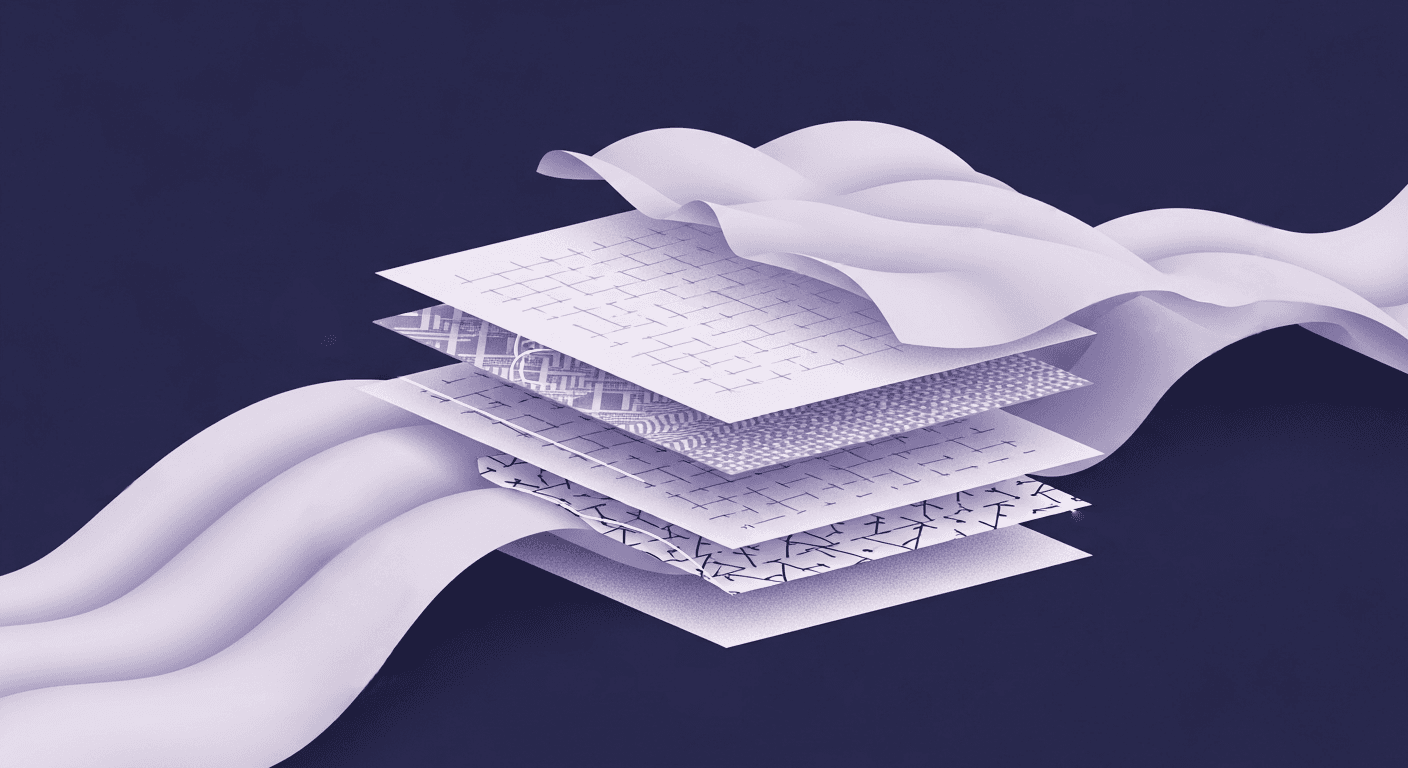
This guide explores the world of sustainable fabrics, focusing on their distinct textures, environmental benefits, and applications in digital design workflows. Whether you’re a 3D artist working on realistic apparel renders, a product designer experimenting with virtual materials, or a visualization professional building immersive environments, understanding how sustainable fabrics look and behave is key to creating realistic, responsible, and visually compelling designs.
Understanding sustainable fabrics
Before diving into specific materials, it’s essential to understand what makes a fabric sustainable. In simple terms, sustainable fabrics are textiles that minimize environmental impact throughout their lifecycle, from cultivation and processing to usage and disposal. Unlike conventional textiles, which often rely on high water consumption, synthetic chemicals, and unsustainable farming methods, sustainable fabrics are designed to be eco-friendly, durable, and ethically sourced.
Key characteristics of sustainable fabrics
- Eco-friendly sourcing: Materials like organic cotton, hemp, and bamboo are cultivated using methods that reduce chemical inputs, water usage, and soil degradation.
- Biodegradability or recyclability: Many sustainable fabrics can return to the environment without leaving harmful residues, or they can be recycled into new textiles.
- Durability and longevity: Sustainable fabrics are often stronger and longer-lasting, reducing the need for frequent replacement and lowering environmental impact.
- Ethical production: Social responsibility, including fair labor practices, is a critical component of sustainability in textiles.
Sustainability from a digital design perspective
For designers and visualization professionals, understanding these characteristics is more than an ethical concern, it directly affects texture creation and material replication. For example:
- Fiber irregularity: Natural, eco-friendly fabrics often have subtle inconsistencies that make them visually rich. Capturing this in a digital texture adds realism.
- Surface detail: Fabrics like linen or hemp have fibrous textures that interact with light differently than smooth synthetics. Accurate representation in PBR (Physically Based Rendering) ensures authentic shading and highlights.
- Behavior in simulation: The weight, drape, and flow of a sustainable fabric influence cloth simulation in 3D software, affecting folds, creases, and overall realism.
By understanding what sustainable fabrics are and how they behave, designers can make informed choices when building textures, virtual materials, or digital assets, ensuring their projects not only look realistic but also reflect the growing emphasis on eco-conscious design.
The role of texture in sustainable fabric representation
In digital design, texture is the bridge between realism and immersion. Whether you’re creating a 3D garment, a virtual interior, or a product visualization, the way a fabric feels visually, its weave, roughness, smoothness, or irregularity, can make or break the final render. This is especially true for sustainable fabrics, which often have unique surface qualities that distinguish them from conventional textiles.
Why sustainable fabrics texture matters
1. Visual realism
Sustainable fabrics like organic cotton, hemp, or linen are rarely uniform. Their natural fibers create subtle variations in surface appearance, such as small slubs, uneven weaves, or soft imperfections. Capturing these details digitally ensures that a render doesn’t look flat or artificial. For designers, a realistic texture can convey the material’s eco-friendly origins even in a virtual setting.
2. Material behavior
Texture influences how a fabric interacts with light and shadow in 3D renders. For example:
- Linen and hemp scatter light differently due to their fibrous surfaces.
- Bamboo and Tencel reflect light softly, giving a silky appearance.
- Recycled polyester may have a slight matte or shiny finish depending on processing.
Accurate texture representation ensures that digital fabrics respond authentically to lighting, enhancing realism in product visualization or virtual fashion.
3. Cloth simulation and drape
Texture isn’t just visual, it affects how fabrics move. A coarse hemp texture will behave differently in cloth simulation than smooth Tencel. Designers need to account for:
- Fiber density
- Surface friction
- Weight and stiffness
Inaccurate textures can lead to unrealistic folds, creases, or draping, reducing the quality of renders or virtual prototypes.
4. User perception and brand storytelling
Sustainable fabrics carry a narrative of environmental responsibility and craftsmanship. Digitally representing their textures accurately can reinforce brand values in virtual commerce, marketing materials, and product previews. A well-represented linen blouse or organic cotton t-shirt in 3D conveys both quality and eco-consciousness, even before the physical product exists.
Popular sustainable fabrics and their texture profiles
Sustainable fabrics come in a variety of fibers, each with unique visual and tactile qualities. For designers and 3D artists, understanding these textures is essential for creating realistic digital materials. Below, we explore the most commonly used eco-friendly fabrics and how to represent them in digital projects.
Organic cotton
Production & sustainability:
Organic cotton is grown without synthetic pesticides or fertilizers, reducing environmental impact and conserving water.
Texture characteristics:
- Soft, breathable, and slightly irregular
- Subtle surface slubs and variations in weave
- Natural matte finish with a gentle drape
Digital visualization tips:
- Use a slight bump or normal mapping to replicate irregularities
- Emphasize softness with diffuse lighting
- Avoid over-sharpening fibers; maintain natural imperfections
Linen (flax-based fabric)
Production & sustainability:
Linen is made from flax fibers, which require minimal water and chemicals. The process is energy-efficient, and the fibers are biodegradable.
Texture characteristics:
- Crisp, slightly coarse feel
- Visible slubs and natural lines along the weave
- Light-reflecting, breathable surface
Digital visualization tips:
- Use anisotropic shading for light reflection along fibers
- Incorporate subtle weave patterns in normal or displacement maps
- Capture slight wrinkles to mimic natural drape
Hemp fabric
Production & sustainability:
Hemp cultivation is low-impact, requiring little water, no pesticides, and enriching soil health.
Texture characteristics:
- Coarse yet structured fibers
- Fibrous, slightly rough surface with natural irregularities
- Durable and strong, often heavier than cotton or linen
Digital visualization tips:
- Emphasize fiber structure using high-resolution textures
- Add subtle roughness maps for realistic light scattering
- Reflect hemp’s rigidity in cloth simulations
Bamboo Fabric
Production & sustainability:
Bamboo grows quickly and requires minimal water. Modern closed-loop processing produces soft fibers while reducing chemical use.
Texture characteristics:
- Smooth, silky, lightweight
- Slight natural sheen
- Soft drape with a gentle flow
Digital visualization tips:
- Use smooth PBR materials with low roughness
- Capture subtle sheen with specular highlights
- Maintain a light, airy appearance in cloth simulation
Tencel / Lyocell
Production & sustainability:
Tencel is produced in a closed-loop system from sustainably sourced wood pulp, minimizing water and chemical use.
Texture characteristics:
- Silky and soft with a subtle sheen
- Smooth surface, drapable, elegant folds
- Highly breathable and lightweight
Digital visualization tips:
- Employ smooth, diffuse, and specular maps
- Highlight natural draping using physics-based simulation
- Add minimal texture noise to replicate fiber structure
Recycled fabrics (Polyester, Nylon, etc.)
Production & sustainability:
Recycled fabrics are made from post-consumer materials, reducing landfill waste and energy consumption.
Texture characteristics:
- Slightly uneven surface compared to virgin synthetics
- Can be matte or shiny depending on processing
- Often thinner and more flexible than natural fibers
Digital visualization tips:
- Use subtle micro-normal maps to replicate recycled fiber texture
- Adjust roughness and reflectivity based on the processing method
- Layer small-scale imperfections for realistic rendering
By understanding these distinct textures, designers and 3D artists can accurately replicate sustainable fabrics in digital projects, bridging the gap between eco-conscious material choices and compelling virtual visualization.
Benefits of using sustainable fabric textures in digital design
Incorporating sustainable fabric textures into digital projects offers more than aesthetic appeal, it also brings practical, ethical, and workflow advantages for designers, 3D artists, and visualization professionals. Here’s why focusing on eco-friendly materials can elevate your work.
Realistic product mockups for eco-conscious brands
Brands increasingly emphasize sustainability, and digital assets need to reflect this narrative. Accurate representations of organic cotton, linen, or recycled polyester help designers create virtual products that feel authentic, enhancing marketing visuals, online stores, and virtual try-ons.
Key texture consideration: Subtle fiber irregularities, weave patterns, and drape cues communicate quality and eco-conscious production.
Reducing physical sampling through digital textures
Traditional sampling requires multiple physical fabric swatches, which consumes resources and time. By mastering sustainable fabric textures digitally, designers can:
- Preview products realistically in 3D before physical production
- Reduce waste from multiple prototypes
- Streamline client approvals and design iterations
Key texture consideration: High-fidelity PBR textures and accurate normal/displacement maps allow digital samples to behave like real fabrics.
Enhanced consumer engagement in virtual commerce
In virtual commerce or digital fashion environments, texture realism affects purchase confidence. For eco-conscious consumers, seeing sustainable fabrics accurately represented, whether in product 3D models, AR previews, or VR stores, reinforces trust and brand credibility.
Key texture consideration: Highlight the tactile qualities digitally, softness, drape, and natural imperfections, to simulate real-life touch and feel.
Encouraging sustainability in design pipelines
By prioritizing sustainable textures in digital assets, designers indirectly promote responsible production choices:
- Supporting eco-friendly material awareness
- Enabling brands to visualize sustainability benefits digitally
- Integrating environmental consciousness from design to production
Key texture consideration: Textures become storytelling tools, each weave, slub, or fiber variation communicates a commitment to sustainability.
Improving workflow efficiency and creativity
Digital textures of sustainable fabrics can be reused, adapted, and combined across multiple projects:
- AI-generated or PBR textures speed up material creation
- Designers can experiment with blends, patterns, or custom variations without waste
- Saves time compared to sourcing and photographing real fabrics
Key texture consideration: Modular texture libraries allow artists to combine sustainable fabric elements efficiently while maintaining realism.
Challenges of replicating sustainable fabrics digitally
While sustainable fabrics offer unique textures and eco-friendly appeal, they also present specific challenges for digital designers and 3D artists. Capturing their complexity accurately requires attention to detail, advanced tools, and an understanding of fiber behavior.
Capturing subtle fiber variations
Natural and eco-friendly fabrics like linen, hemp, and organic cotton often have irregularities in weave, fiber thickness, and slubs. These tiny details contribute to realism but can be difficult to reproduce digitally:
- Overly smooth textures look artificial
- Excessive noise can make fabrics appear messy or low-quality
Solution: High-resolution PBR textures, displacement maps, and subtle normal mapping help replicate these fine variations without compromising render performance.
Balancing realism and render efficiency
Detailed textures can increase render times, especially in high-fidelity product visualization or virtual environments. Sustainable fabrics, with their fibrous surfaces and complex weaves, can be computationally heavy.
Solution:
- Use layered textures and tiling wisely to maintain realism
- Optimize normal and roughness maps for performance
- Leverage AI-assisted texture generation to create efficient, realistic assets
Representing fabric behavior accurately
Texture isn’t only visual, it affects cloth simulation, folds, and drape. Sustainable fabrics vary in stiffness and weight:
- Hemp and recycled fabrics may appear rigid
- Tencel and bamboo are soft and flowing
Solution: Use physics-based cloth simulations and parameterized textures to match fiber behavior. Combining accurate texture maps with simulation settings ensures folds and drapes look natural.
Avoiding generic or synthetic appearances
Many designers default to smooth, uniform textures for simplicity. With sustainable fabrics, this can erase their natural charm and eco-conscious narrative.
Solution: Introduce subtle imperfections, weave patterns, and irregularities to reflect authenticity. This not only improves realism but also highlights the material’s sustainable origin.
Library limitations and material availability
While sustainable fabrics are increasingly popular, pre-made digital libraries may have limited options for eco-friendly materials. Designers may struggle to find high-quality textures representing linen, hemp, or recycled fibers.
Solution:
- Create custom textures using high-resolution scans or AI generation tools
- Use texture blending and procedural techniques to simulate complex surfaces
- Build a personal library of sustainable fabrics for repeated use
By understanding these challenges and applying strategic texture techniques, designers can faithfully replicate sustainable fabrics in digital projects, ensuring that eco-friendly materials not only look authentic but also perform realistically in renders and simulations.
Merging sustainability and digital design
Sustainable fabrics are reshaping both physical and digital design. By understanding their textures, behaviors, and digital representation techniques, designers can create authentic, high-quality assets that reflect eco-conscious principles.
From organic cotton to recycled polyester, mastering fiber irregularities, weave patterns, drape, and light interaction allows designers to tell the story of sustainability visually, while leveraging tools like Texturly for efficient and realistic material creation.
Ultimately, merging sustainability with digital design is about more than aesthetics, it’s about responsible choices, innovation, and crafting a future where eco-conscious materials and immersive digital experiences go hand in hand.

Max Calder
Max Calder is a creative technologist at Texturly. He specializes in material workflows, lighting, and rendering, but what drives him is enhancing creative workflows using technology. Whether he's writing about shader logic or exploring the art behind great textures, Max brings a thoughtful, hands-on perspective shaped by years in the industry. His favorite kind of learning? Collaborative, curious, and always rooted in real-world projects.
Latest Blogs
The Indie Dev Guide to CC0 PBR Textures: Stop Searching, Start Cr...
PBR textures
AI in 3D design

Mira Kapoor
Jul 10, 2026
Sourcing Free Game Textures: Navigating PBR Pipelines and Stylize...
PBR textures
Game textures
Mira Kapoor
Jul 6, 2026
Sculpting with Sunlight: The Architectural Physics of Facade Text...
Texture creation
AI in 3D design

Max Calder
Jul 1, 2026

Accelerate you workflow
with automated PBR texture generation
Enjoy creative freedom with AI powered texture creation
 Texturly
Copyright © 2026 Texturly, Asha Technology Labs Pvt. Ltd. All rights reserved