The Power of User-Contributed Texture Packs in Modern Gaming
By Max Calder | 1 April 2026 | 14 mins read
Table of contents
Table of Contents
In modern gaming, visual fidelity plays a crucial role in shaping player experience. From hyper-realistic environments to stylized artistic worlds, textures are at the heart of how games look and feel. Traditionally, these visual elements were entirely controlled by game developers. But over time, a powerful shift has occurred, players themselves have become creators.
User-contributed texture packs have transformed gaming into a collaborative ecosystem where creativity is no longer limited to studios. Today, gamers can enhance, redesign, or completely reimagine the visual identity of their favorite titles using community-made textures. Whether it’s upgrading a classic game with high-definition realism or introducing a completely new artistic style, these contributions have significantly expanded what games can offer.
This blog explores the world of user-contributed texture packs, the communities behind them, where to find them, and how you can participate in this growing creative movement.
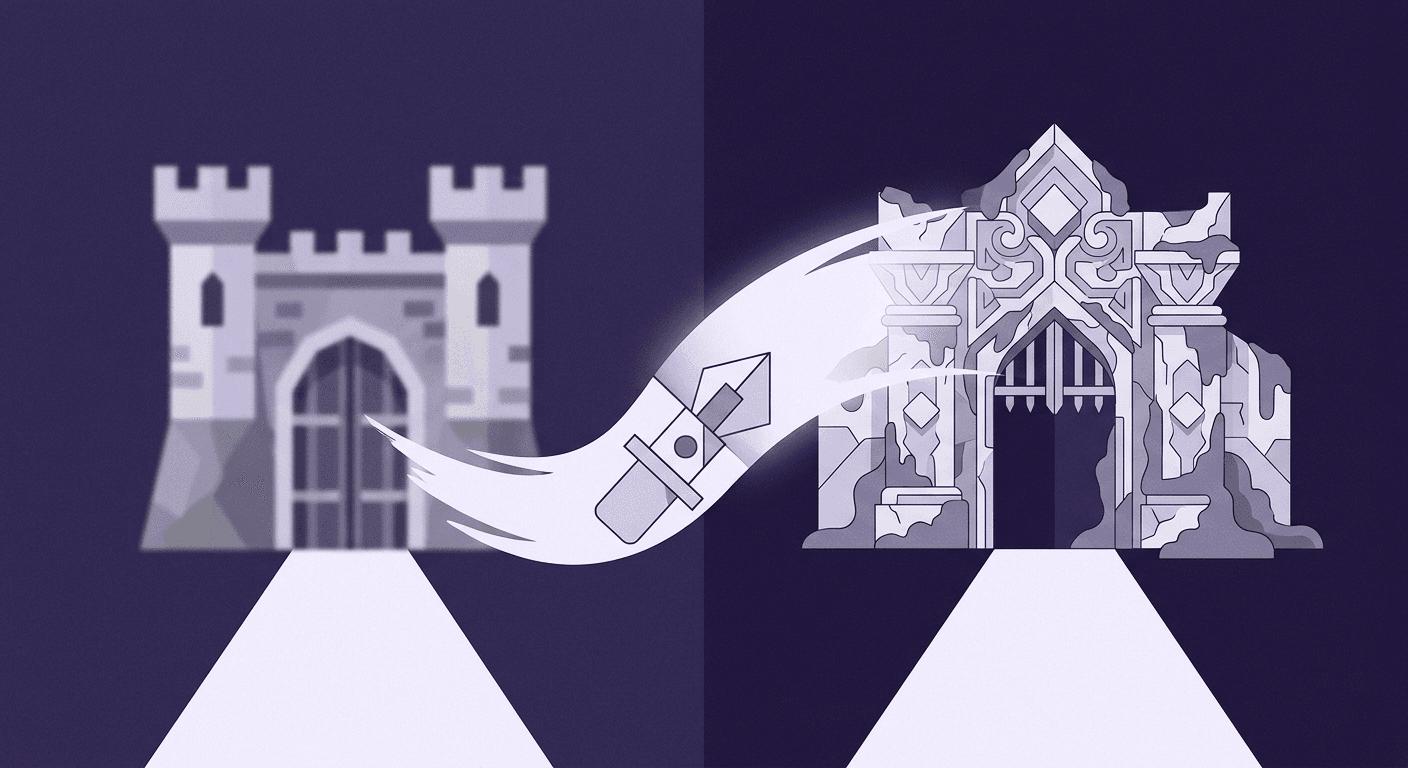
What are user-contributed texture packs, and why do they matter
Texture packs are collections of image files that replace or modify the original textures in a game. These textures define the appearance of surfaces, walls, objects, characters, landscapes, and more. When replaced with custom textures, the entire visual experience of a game can change dramatically.
User-contributed texture packs are created by independent artists, modders, and gaming enthusiasts rather than official developers. These packs come in various forms:
- Realistic texture packs aim to mimic real-world materials with high detail.
- Stylized textures focus on artistic expression, such as cartoon, fantasy, or minimalist themes.
- PBR (Physically Based Rendering) textures simulate how light interacts with surfaces, adding depth and realism.
- HD and ultra-HD packs significantly increase resolution for sharper visuals.
These texture packs matter because they give players control over their visual experience. Instead of being limited to a developer’s artistic direction, users can tailor games to their personal preferences. For older games, texture packs can breathe new life into outdated graphics, making them feel modern again.
The power of gaming communities in texture creation
The success of user-contributed texture packs is deeply rooted in gaming communities. Modding culture has been around for decades, but it has evolved into a sophisticated and collaborative ecosystem.
Early modding communities were small and experimental, often limited by tools and accessibility. Today, they are global networks of creators sharing knowledge, assets, and feedback. Platforms like forums, Discord groups, and mod-hosting websites have made it easier than ever for creators to collaborate and distribute their work.
So why do gamers create texture packs?
- Creative expression: Designing textures allows artists to showcase their unique style.
- Passion for games: Many creators want to improve the games they love.
- Recognition: Popular texture packs can gain thousands or even millions of downloads.
- Community contribution: Sharing resources helps others enhance their experience.
These communities are not just distribution channels; they actively improve the quality of texture packs. Feedback loops, updates, and collaborations ensure that popular packs evolve over time, becoming more refined and optimized.
Where to find the best community texture packs
With the growth of user-generated content, numerous platforms have emerged as hubs for texture packs. These platforms make it easy to discover, download, and evaluate community creations.
1. Mod Hosting Platforms
Dedicated modding websites are the most common source. They offer advanced filtering, ratings, and user reviews, helping users find high-quality packs quickly.
2. Game-Specific Communities
Many games have their own ecosystems where creators share textures tailored to that game. These communities often provide better compatibility and support.
3. Forums and Social Platforms
Communities on forums and platforms like Reddit or Discord are excellent for discovering niche or experimental texture packs that may not appear on mainstream sites.
When searching for texture packs, consider the following:
- Ratings and reviews to assess quality
- Download count as an indicator of popularity
- Update frequency for compatibility with new game versions
- Preview images or videos to evaluate visual style
The best texture packs often come from creators who actively engage with their audience and continuously refine their work.
Benefits of using user-contributed texture packs
User-contributed texture packs offer a wide range of benefits that go beyond simple visual upgrades.
Enhanced Visual Experience
High-quality textures can dramatically improve immersion. Realistic materials, better lighting interaction, and refined details make environments feel more lifelike.
Personalization
Players can customize the look of their game to match their preferences—whether that means a darker, moodier tone or a vibrant, colorful world.
Access to Free Content
Most texture packs are freely available, making them accessible to a wide audience. This open-sharing culture encourages experimentation and creativity.
Continuous Innovation
Unlike official updates, which may take months or years, community creators release improvements frequently. This results in faster innovation and a constant stream of fresh content.
Reviving Older Games
Texture packs can modernize classic titles, extending their lifespan and keeping them relevant for new audiences.
Challenges to be aware of
While user-contributed texture packs offer many advantages, they also come with certain challenges.
Compatibility Issues
Not all texture packs work seamlessly with every version of a game. Updates or conflicts with other mods can cause errors or crashes.
Performance Impact
High-resolution textures require more processing power. On lower-end systems, this can lead to reduced frame rates or longer load times.
Quality Inconsistency
Since texture packs are created by individuals with varying skill levels, quality can differ significantly. Some packs may lack polish or consistency.
Licensing and Attribution
Not all creators follow proper licensing practices. Using or redistributing textures without permission can raise ethical and legal concerns.
To avoid these issues, users should carefully read documentation, check compatibility notes, and download from trusted sources.
How to create and share your own texture packs
Creating your own texture pack is more accessible than ever, thanks to modern tools and community resources.
Getting Started
You’ll need basic tools such as:
- Image editing software (e.g., Photoshop or free alternatives)
- Texture painting tools
- Game-specific modding tools or frameworks
Understanding Game Requirements
Each game has its own specifications for textures, including:
- File formats (PNG, DDS, etc.)
- Resolution limits
- Naming conventions
Following these guidelines is essential for ensuring compatibility.
Designing High-Quality Textures
Consistency is key. Maintain a unified style across all textures to create a cohesive look. Pay attention to lighting, color balance, and detail levels.
Optimization
Avoid unnecessarily large file sizes. Optimize textures to balance quality and performance, ensuring they run smoothly on a range of systems.
Publishing Your Work
Once your pack is ready:
- Upload it to a modding platform
- Include clear descriptions and installation instructions
- Provide preview images to showcase your work
Building a Reputation
Engage with users, respond to feedback, and update your pack regularly. Over time, this helps establish credibility and grow your audience.
The future of community-driven game design
User-contributed texture packs represent more than just visual upgrades—they are a testament to the creativity and passion of gaming communities. By giving players the tools to reshape their experiences, games become dynamic platforms rather than static products.
Looking ahead, the future of texture creation is poised to become even more exciting. Emerging technologies like AI-assisted design tools and procedural generation are making it easier to create high-quality textures at scale. At the same time, creator economies are opening new opportunities for artists to monetize their work.
As games continue to evolve, community contributions will play an increasingly important role in shaping their visual identity. Whether you’re a player looking to enhance your experience or a creator eager to share your work, there has never been a better time to explore the world of user-contributed texture packs.

Max Calder
Max Calder is a creative technologist at Texturly. He specializes in material workflows, lighting, and rendering, but what drives him is enhancing creative workflows using technology. Whether he's writing about shader logic or exploring the art behind great textures, Max brings a thoughtful, hands-on perspective shaped by years in the industry. His favorite kind of learning? Collaborative, curious, and always rooted in real-world projects.
Latest Blogs
The Indie Dev Guide to CC0 PBR Textures: Stop Searching, Start Cr...
PBR textures
AI in 3D design

Mira Kapoor
Jul 10, 2026
Sourcing Free Game Textures: Navigating PBR Pipelines and Stylize...
PBR textures
Game textures
Mira Kapoor
Jul 6, 2026
Sculpting with Sunlight: The Architectural Physics of Facade Text...
Texture creation
AI in 3D design

Max Calder
Jul 1, 2026

Accelerate you workflow
with automated PBR texture generation
Enjoy creative freedom with AI powered texture creation
 Texturly
Copyright © 2026 Texturly, Asha Technology Labs Pvt. Ltd. All rights reserved